Quartz countertops, marble countertops, stainless steel countertops, I'm sure you've all heard of them, but perhaps you're still unfamiliar with sintered stone countertops.In this article, I will introduce you to everything about sintered stone countertops.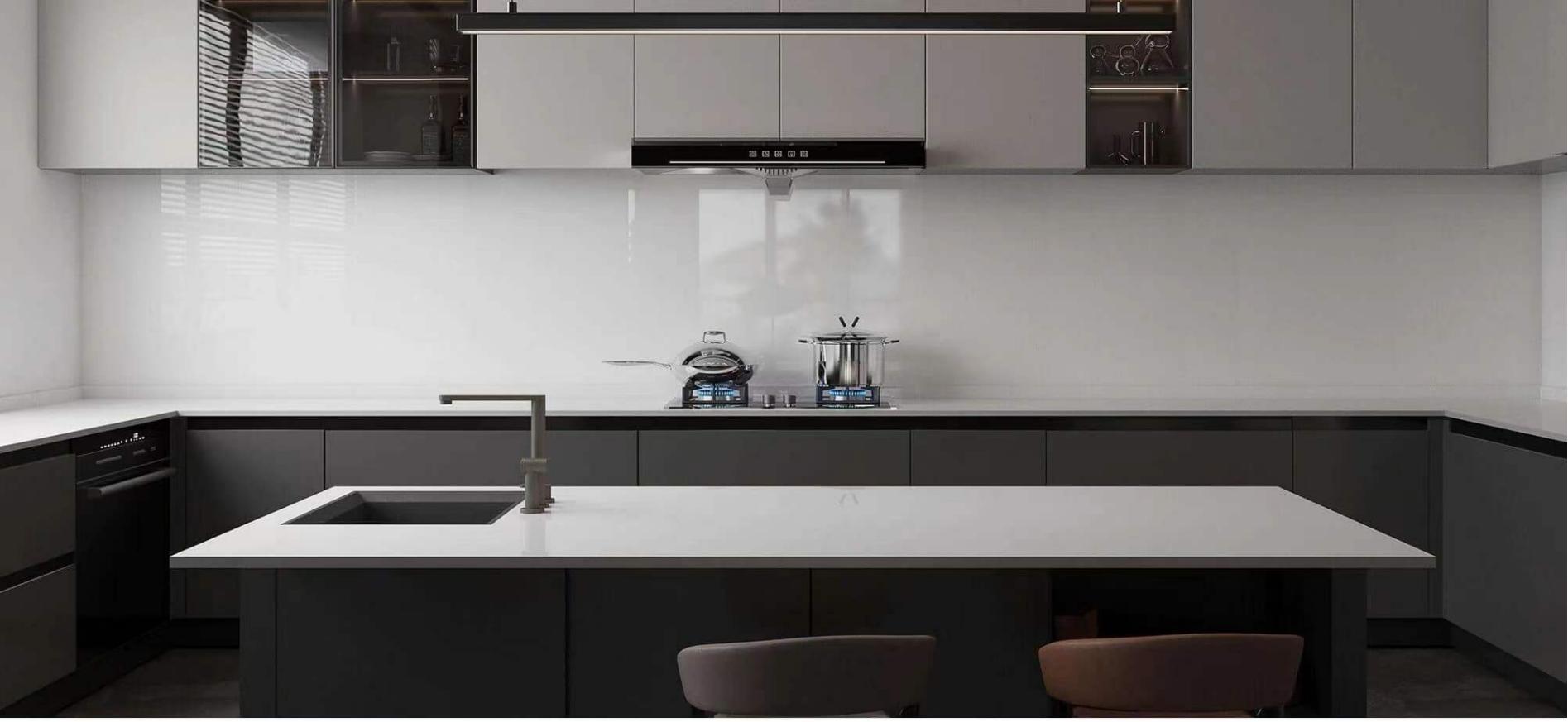 1. What is a sintered stone countertop?
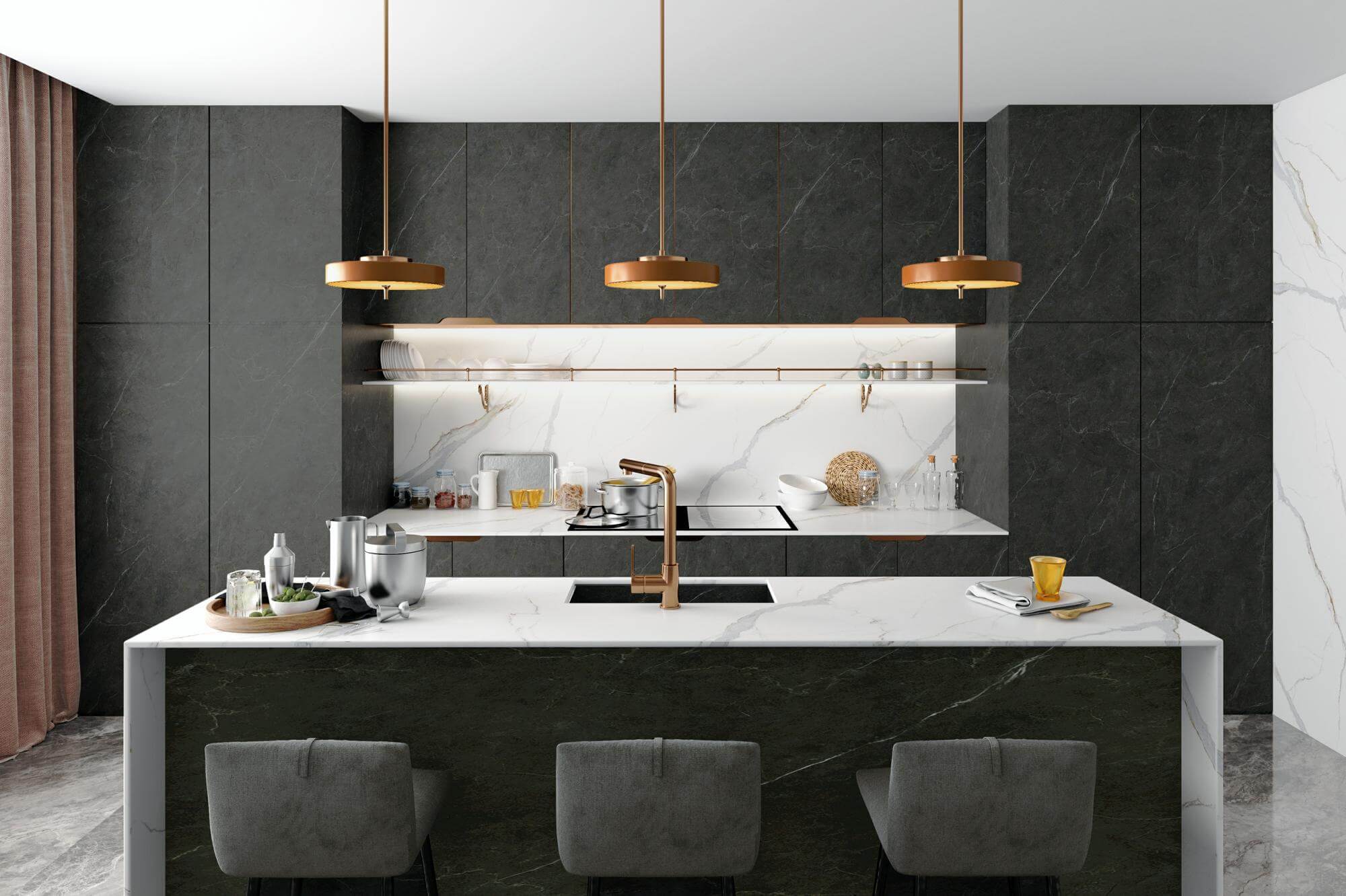 Sintered stone countertops are countertops used in kitchens and bathrooms that are processed from sintered stone. Sintered stone is a man-made stone made through a special manufacturing process called sintering.In this process, a mixture of natural minerals is compacted and subjected to high temperatures and pressures to form a dense, durable slab. This sintering process mimics the natural process that has been used to form natural stone for thousands of years.
2. Advantages and disadvantages of sintered stone countertopsSintered stone countertops offer many advantages over traditional countertop materials such as quartz, granite, marble or laminate, making them a popular choice for kitchens and bathrooms.
Sintered stone countertops are countertops used in kitchens and bathrooms that are processed from sintered stone. Sintered stone is a man-made stone made through a special manufacturing process called sintering.In this process, a mixture of natural minerals is compacted and subjected to high temperatures and pressures to form a dense, durable slab. This sintering process mimics the natural process that has been used to form natural stone for thousands of years.
2. Advantages and disadvantages of sintered stone countertopsSintered stone countertops offer many advantages over traditional countertop materials such as quartz, granite, marble or laminate, making them a popular choice for kitchens and bathrooms.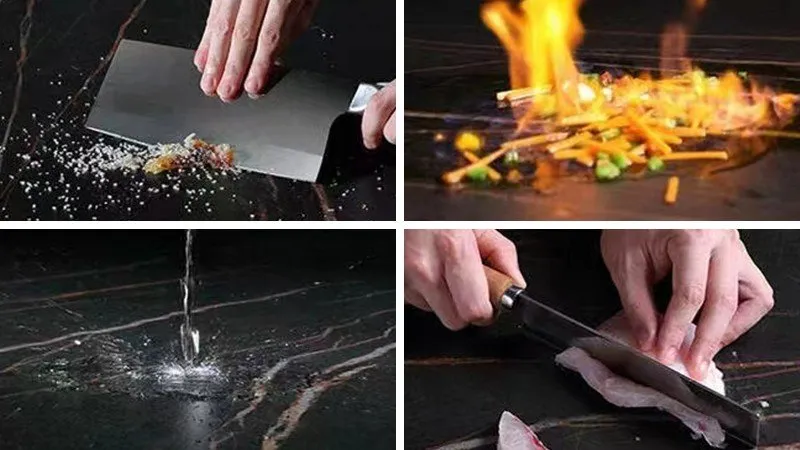 Here are some of the advantages of using sintered stone countertops:
● Durability: sintered stone countertops are very durable and resistant to scratches, heat and stains. These properties make it capable of meeting the demands of everyday kitchen and bathroom use.● STAIN RESISTANT: Sintered stone countertops are stain resistant so you don't have to worry about spills or accidents. Liquids such as oils, juices and sauces are less likely to penetrate the surface and cause permanent stains.● UV Resistant: Sintered stone countertops are UV resistant and won't fade over time, making them a great choice for outdoor countertops that are exposed to the sun.● Non-porous and hygienic: Sintered stone countertops are non-porous, which means they do not absorb liquids. This property makes them very resistant to stains and also prevents the growth of bacteria, making them a hygienic choice for kitchens and bathrooms.● EASY TO MAINTAIN: Sintered stone countertops are easy to maintain. Regular cleaning with mild soap and water is usually enough to keep them looking perfect. Unlike some natural stones, sintered stone countertops do not need to be sealed.● Variety of Colors and Finishes: Sintered stone countertops are available in a wide range of colors, finishes, and designs, so you can find a countertop that perfectly matches your kitchen or bathroom décor.● Long life: Sintered stone countertops are long-lasting, so you can rest assured that your countertop will last for many years without needing to be replaced.Here are the possible disadvantages of using sintered stone countertops:
1. Cost: Sintered stone can be more expensive than traditional materials like laminate, due to its manufacturing process and durability.
2. Installation Complexity: Proper installation requires expertise, specialized tools, and careful handling, potentially leading to higher installation costs.
3. Brittleness: Despite its durability, sintered stone can be relatively brittle, meaning it could chip or crack if subjected to extreme force or impacts.
4. Weight: Its density makes it heavier than some other materials, possibly requiring additional structural support during installation.
5. Limited DIY Options: Due to its installation complexities, sintered stone is less suitable for DIY installation, and it’s recommended to hire professionals for accurate and successful installation.
6. Repair Challenges: If damage occurs, repairs can be intricate and costly, often requiring professional assistance.
7. Coldness: Sintered stone can feel colder to the touch than other materials, which might be uncomfortable in colder climates or for people who are sensitive to temperature changes.
8. Noise: The hardness of sintered stone can indeed lead to increased noise levels, especially in daily activities, such as placing dishes, cutlery, or utensils on sintered stone surfaces can result in more noticeable noise compared to surfaces that are softer or more absorbent.
3. Color of sintered stone countertops
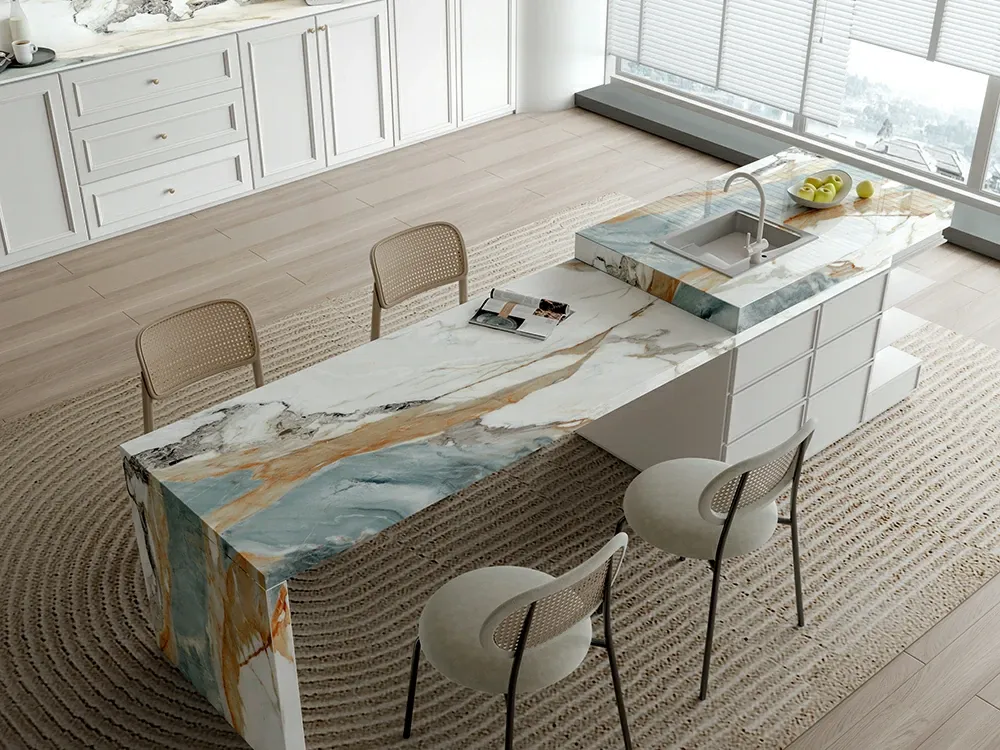
Sintered stone countertops are available in a variety of colors and designs to easily match your kitchen, bathroom or outdoor space. These countertops can mimic the look of natural stone, concrete, metal, wood, and other materials while offering the benefits of durability and low maintenance.Sintered stone countertops are available in matte, polished, or textured finishes, allowing you to achieve the look and feel your space desires.From the luxurious and elegant look of marble, to concrete and industrial aesthetics, to wood and timber designs, to simple and clean styles, there is a sintered stone countertop for you, no matter what your style. With so many colors and designs to choose from, you can create a countertop that is beautifully functional and truly unique.4. Sintered stone countertop costs (installation and material costs brand power)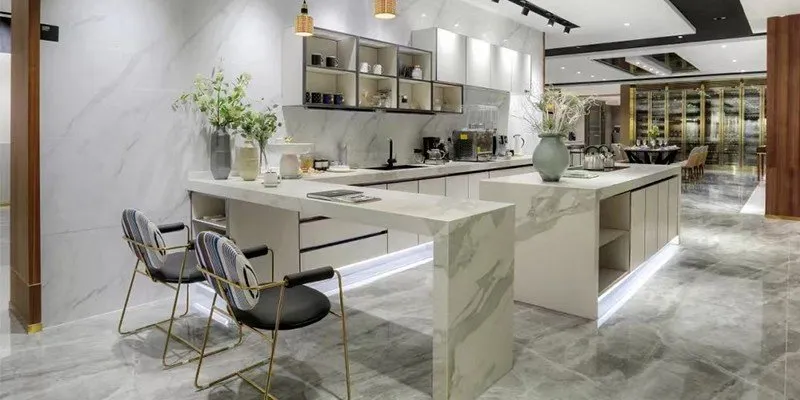 The cost of sintered stone countertops depends on a variety of factors, including size, thickness, brand, color, finish, installation and location. However, sintered stone countertops are typically more expensive than other types of countertops, such as laminate or granite.The average cost of sintered stone countertops is $75 to $120 per square foot, including materials and installation. However, some brands and colors can cost more than $150 per square foot.Here are some factors that may affect the cost of sintered stone countertops:
● Size: The size of the countertop can affect the overall cost. Larger countertops require more material, making smaller countertops more expensive.● Thickness: Sintered stone countertops usually come in a variety of thicknesses, with common thicknesses being 6, 9 mm, 12, 15 mm and 20 mm. Thicker countertops tend to be more expensive than thinner countertops because of the additional material costs.● Brand: The brand of sintered stone used in the countertop also affects the cost. Well-known and high-end brands are more expensive than others.● Color and finish: The color and finish of the countertop will also affect the cost. Some specialty colors and finishes are more expensive than others.● Installation and location: installation costs can vary depending on the contractor, your geographic location, and labor rates in your area.Sintered stone costs: understanding the factors that influence its price5. Sintered stone countertops versus other materials
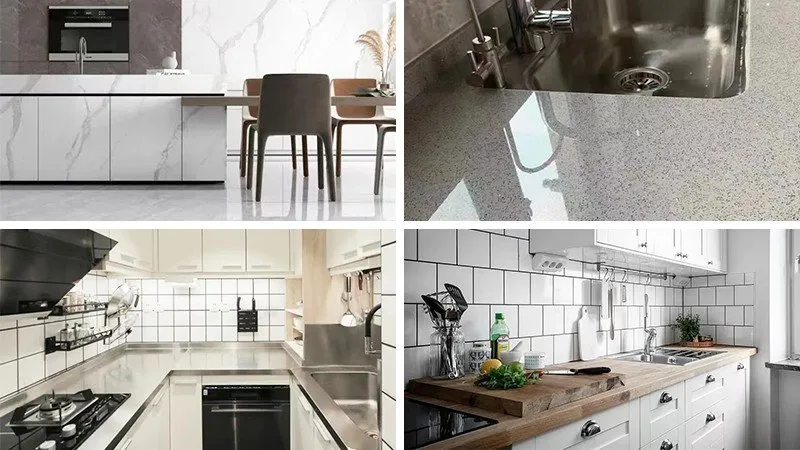
Here is a table comparing the advantages and disadvantages of sintered stone countertops and traditional countertops:
| Material |
Advantages |
Disadvantages |
| Sintered stone countertops |
Durable, stain resistance, UV resistance, non-porous, hygienic, easy to maintenance, variety of colors and finishes, long lifespan |
Generally more expensive than quartz or granite countertops, heavier, feel cold, increased noise levels |
| Quartz countertops |
Durable, stain resistance, easy to maintenance, variety of colors and finishes |
More expensive than laminate countertops, limited color and finish options |
| Granite countertops |
Durable, stain resistance, natural look |
Can be porous, requires regular sealing to maintain its appearance and to prevent staining |
| Marble countertops |
Natural look, elegant |
Not as durable as quartz or sintered stone countertops, requires regular sealing and maintenance to prevent staining and damage |
| Laminate countertops |
Low cost, easy to care for |
Not as durable as quartz, granite, or sintered stone countertops, can stain or etch, not heat-resistant |
| Stainless steel countertops |
Durable, easy to clean, hygienic |
Can be cold and reflective, can stain or pit |
| Wood countertops |
Natural look, warm and inviting |
Not as durable as quartz or sintered stone countertops, can stain or etch, not heat-resistant, requires regular maintenance |
| Acrylic countertops |
Low cost, easy to care for, lightweight |
Not as durable as quartz, granite, or sintered stone countertops, can stain or etch, not heat-resistant |
6. Sintered Stone Countertops Installation
Professional installation of sintered stone countertops is recommended. The installation process can be complex, requiring specialized knowledge, specialized tools and careful handling, which can lead to higher installation costs.
Here are some tips for installing sintered stone countertops:
Hire a qualified and experienced countertop installer. This will help ensure that the installation is done correctly and that the countertop will last for many years.
Choose the right thickness of sintered stone for your countertops. Thicker sintered stone may require additional support and cabinet height adjustment.
Make sure the countertop is installed on a level and sturdy sub-countertop. Countertops must be installed on a level and sturdy sub-countertop to prevent them from cracking or bending.
Fill joints with an adhesive compatible with sintered stone. The seam line between the countertop and backsplash should be filled with an adhesive compatible with sintered stone. This will help prevent staining or corrosion of the joints and create a virtually invisible seam.
Clean countertops regularly to maintain their appearance. Sintered stone countertops should be cleaned regularly with a mild detergent and water to maintain their appearance.
Following these tips and working with an experienced installer will help ensure a successful installation of sintered stone countertops.
7. Care and maintenance of sintered stone worktops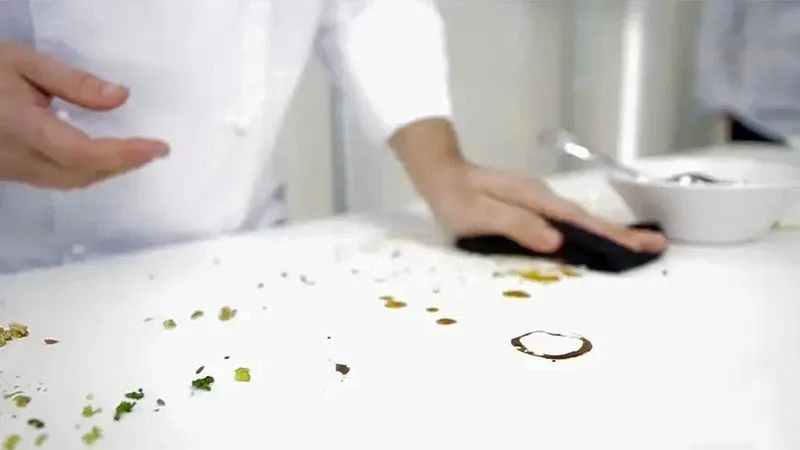 Sintered stone countertops are relatively low maintenance due to their durability and non-porous surface. However, proper care will help maintain its appearance and extend its life. You can take the following steps to keep your countertops looking their best:Clean your countertops regularly. Sintered stone countertops can be cleaned with a mild soap and water solution. Avoid harsh or abrasive cleaners, which may damage the countertop.Wipe up spills immediately. Acids, in particular, such as citrus juices, red wine or vinegar may stain or corrode the surface over time.Avoid placing hot pans or bowls directly on the countertop. Although sintered stone countertops are heat-resistant, it is best to use coasters or tripods to prevent the countertop from cracking and warping.Be careful not to drop or hit the countertop. Be careful when carrying heavy or sharp objects around the countertop to prevent it from chipping or cracking.If you follow these tips, your sintered stone countertops will last for many years.
Final Thoughts.Choosing sintered stone countertops for your kitchen and bathroom is definitely worth it, as they offer several advantages over traditional countertops. They are durable, stain-resistant, UV-resistant, non-porous, hygienic, easy to maintain, available in a wide range of colors and finishes, and can last for many years. It's important to take the time to explore the options and find the right sintered stone countertop for your home.DiTuo sintered stone is known for its outstanding performance and the wide range of colors, patterns and finishes available to meet the diverse requirements of our customers. If you are looking for a reputable sintered stone supplier to expand your business and meet the growing demand for sintered stone, then you have come to the right place. Please contact us through our website to discuss more details.
Sintered stone countertops are relatively low maintenance due to their durability and non-porous surface. However, proper care will help maintain its appearance and extend its life. You can take the following steps to keep your countertops looking their best:Clean your countertops regularly. Sintered stone countertops can be cleaned with a mild soap and water solution. Avoid harsh or abrasive cleaners, which may damage the countertop.Wipe up spills immediately. Acids, in particular, such as citrus juices, red wine or vinegar may stain or corrode the surface over time.Avoid placing hot pans or bowls directly on the countertop. Although sintered stone countertops are heat-resistant, it is best to use coasters or tripods to prevent the countertop from cracking and warping.Be careful not to drop or hit the countertop. Be careful when carrying heavy or sharp objects around the countertop to prevent it from chipping or cracking.If you follow these tips, your sintered stone countertops will last for many years.
Final Thoughts.Choosing sintered stone countertops for your kitchen and bathroom is definitely worth it, as they offer several advantages over traditional countertops. They are durable, stain-resistant, UV-resistant, non-porous, hygienic, easy to maintain, available in a wide range of colors and finishes, and can last for many years. It's important to take the time to explore the options and find the right sintered stone countertop for your home.DiTuo sintered stone is known for its outstanding performance and the wide range of colors, patterns and finishes available to meet the diverse requirements of our customers. If you are looking for a reputable sintered stone supplier to expand your business and meet the growing demand for sintered stone, then you have come to the right place. Please contact us through our website to discuss more details.