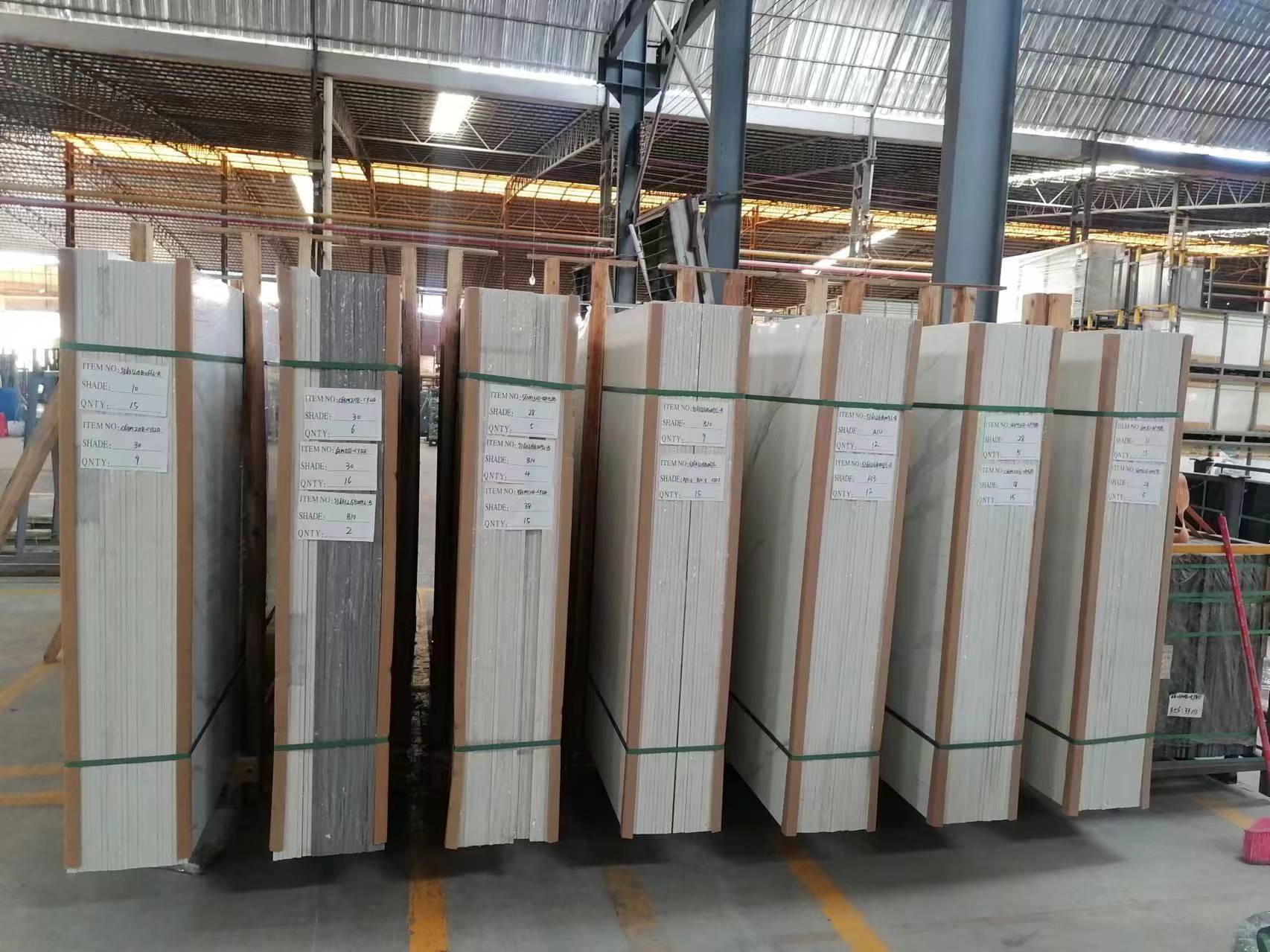
Porcelain Slab China Suppliers: Unveiling the Elegance and Durability of Modern Surfacing Solutions
What is a Porcelain Slab?
Porcelain slabs are an innovative and versatile material that has revolutionized the world of interior design and architecture. Derived from high-quality clay and fired at extremely high temperatures, these slabs represent the pinnacle of ceramic technology. Unlike traditional tiles, porcelain slabs are larger, thicker, and offer a multitude of design possibilities, making them ideal for a of applications.
Porcelain slabs are characterized by their exceptional durability, low porosity (which resists staining and moisture absorption), and the ability to mimic the appearance of natural materials such as marble, granite, and wood with remarkable realism. This combination of aesthetics and performance has positioned porcelain slabs as a premium choice for modern homes and commercial spaces.For more information check out the article:Explore the guide to Utilizing Sintered stone porcelain slabs on floors
Areas of Application for Porcelain Slabs
Residential Use
- Kitchen Countertops & Backsplashes: The resilience and elegance of porcelain slabs make them perfect countertops, offering a seamless, easy-to-clean surface that can withstand the rigors of daily cooking.
- Bathroom Vanities & Walls: Their waterproof nature and wide range of designs ensure that porcelain slabs enhance the luxury and functionality of bathrooms, from vanities to shower walls.
- Flooring: Durable and stylish, porcelain slabs are ideal for both residential floors, providing a luxurious look while being scratch and stain-resistant.
- Wall Cladding & Feature Walls: Their large format allows for fewer joints a sleek and modern aesthetic that can transform any living space.
- More information about porcelain countertops:Strong and durable: unveiling China DiTuo's Sintered stone Countertops
Commercial Use
- Retail Stores & Showrooms: The ability to mimic high-end materials at a fraction of the cost makes porcelain slabs an excellent choice for showcasing products in style.
- Hotels & Restaurants: The hygiene, durability, and aesthetic appeal of porcelain slabs contribute to creating an inviting and luxurious atmosphere for guests.
- Office Spaces & Lobby Areas: Their easy maintenance and ability to withstand heavy foot traffic make them suitable for high- environments.
Advantages of Porcelain Countertops?
- Durability & Strength: With a compression strength that often exceeds 5,000 psi, porcelain slabs are incredibly resilient, capable of enduring heavy use without showing wear and tear.
- Stain & Scratch Resistance: The low porosity of porcelain slabs means they are highly resistant to stains and scratches, maintaining their pristine appearance over time.
- Thermal Stability: Unlike some natural stones, porcelain slabs can temperature changes without cracking or damaging the surface.
- Ease of Maintenance: Cleaning porcelain slabs is straightforward, requiring only mild soap and water, making them a low-maintenance option.
- Design Flexibility: The vast array of colors, textures, and finishes available allows for endless customization options, catering to diverse tastes and design preferences.
Porcelain Slabs vs. Sintered Stones
While both porcelain slabs and sintered stones (often referred to as ultra-compact surfaces) offer high-acing solutions, there are key differences that set them apart:
- Composition: Porcelain slabs are primarily made from clay and other natural minerals, fired at high temperatures. Sintered stones, on the other hand, are composed of a blend of resins, minerals, and inorganic materials, pressed and sintered under extreme pressure and heat.
- Appearance: Porcelain slabs can closely mimic the look of natural stones and woods, offering a more organic feel. Sintered stones, while also visually appealing, often have a more uniform and consistent texture.
- Cost: Generally, sintered stones tend to be more expensive due to their complex manufacturing process and proprietary technologies.
- Scratch & Heat Resistance: Both materials excel in these areas, but sintered stones may offer slightly better heat resistance, making them ideal for direct contact with high-temperature objects like pots and pans without the need for additional protection.
- More on the comparison of Sintered stone and porcelain slabs:Sintered stone - sustainable and safer Ceramics slabs with low silicon content