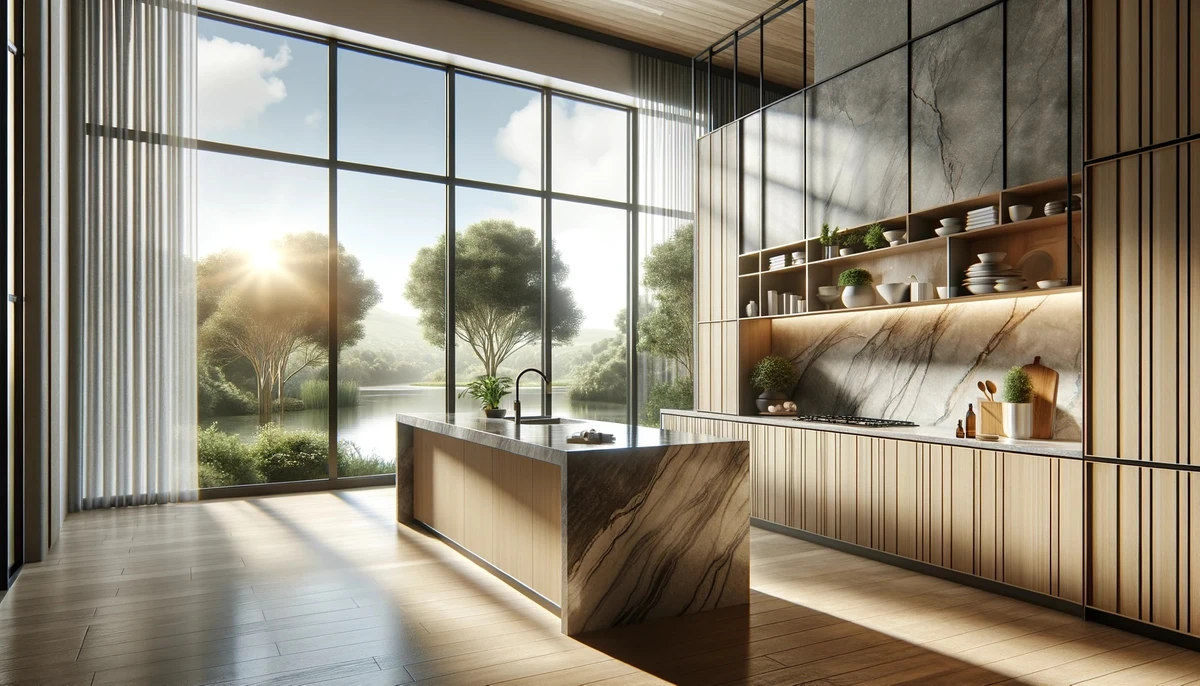
 In modern architecture and design, Sintered stone is a material that is both beautiful and resilient. As an industry leader, DiTuo Sintered Stone has been at the forefront of providing high-quality sintered stone slabs that are as durable as they are elegant. But the question often arises: does Sintered stone need to be sealed? This article delves into the heart of Sintered stone to answer this critical question.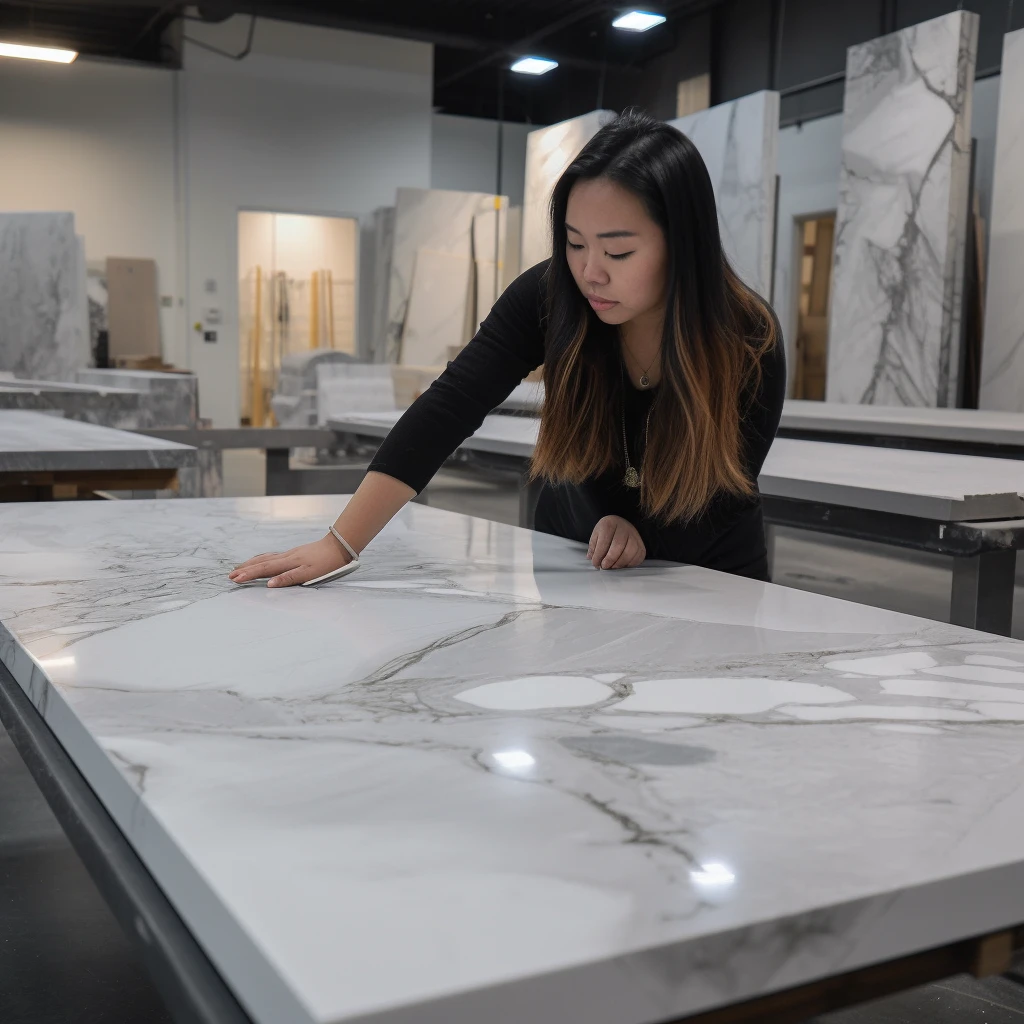
Sintered stone is a man-made material crafted from a blend of natural minerals and raw materials such as clay, feldspar, silica, and natural oxides. The process involves the use of extreme heat and pressure to create a dense, durable, and non-porous material that mimics the properties of natural stone. Here’s a breakdown of the key aspects of sintered stone:
-
Composition: Sintered stone is composed of natural raw materials, including minerals like quartz, feldspar, kaolinite, and clay. These materials are ground into a fine powder and then compressed and baked at high temperatures.
-
Manufacturing Process:
- Raw Material Preparation: The selected raw materials are finely ground and mixed.
- Pressing: The mixture is subjected to high pressure, compacting it into a solid form.
- Sintering: The compacted material is heated in a kiln at temperatures reaching around 1200°C to 1400°C (2192°F to 2552°F). This process causes the particles to fuse together without melting, creating a solid, dense, and cohesive structure.
-
Properties:
- Durability: Sintered stone is incredibly hard and resistant to scratches, impacts, and abrasion.
- Non-Porosity: It is non-porous, making it resistant to stains and easy to clean. This also makes it hygienic and suitable for food contact.
- Resistance to Heat and UV: Sintered stone can withstand high temperatures and is resistant to UV radiation, ensuring its color and properties remain stable over time.
- Chemical Resistance: It is resistant to chemicals, acids, and alkalis, making it suitable for various applications.
- Variety of Finishes: Sintered stone can be produced in a range of finishes, including matte, polished, and textured surfaces, mimicking the appearance of natural stone, wood, or other materials.
-
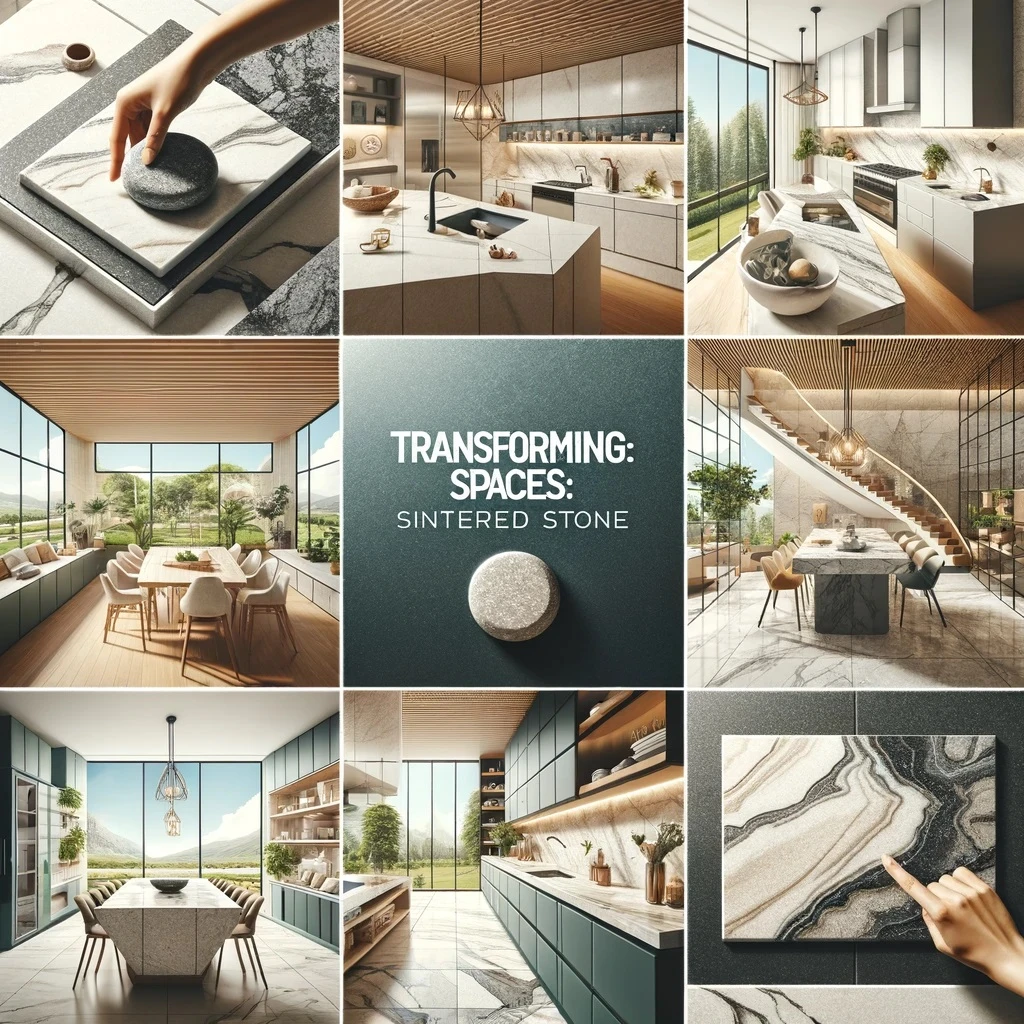
Applications: Due to its versatile properties, sintered stone is used in a wide range of applications, including:
- Countertops: Kitchen and bathroom countertops due to its durability and resistance to heat, stains, and scratches.
- Flooring and Wall Cladding: Ideal for both indoor and outdoor flooring and wall coverings.
- Furniture: Used in the production of tables, cabinets, and other furniture pieces.
- Facades: Suitable for exterior building facades due to its UV resistance and durability.
-
Environmental Impact: The production of sintered stone is considered environmentally friendly as it uses natural raw materials and does not require quarrying like natural stone, reducing environmental degradation. Additionally, the manufacturing process can incorporate recycled materials, and the end product is often recyclable.
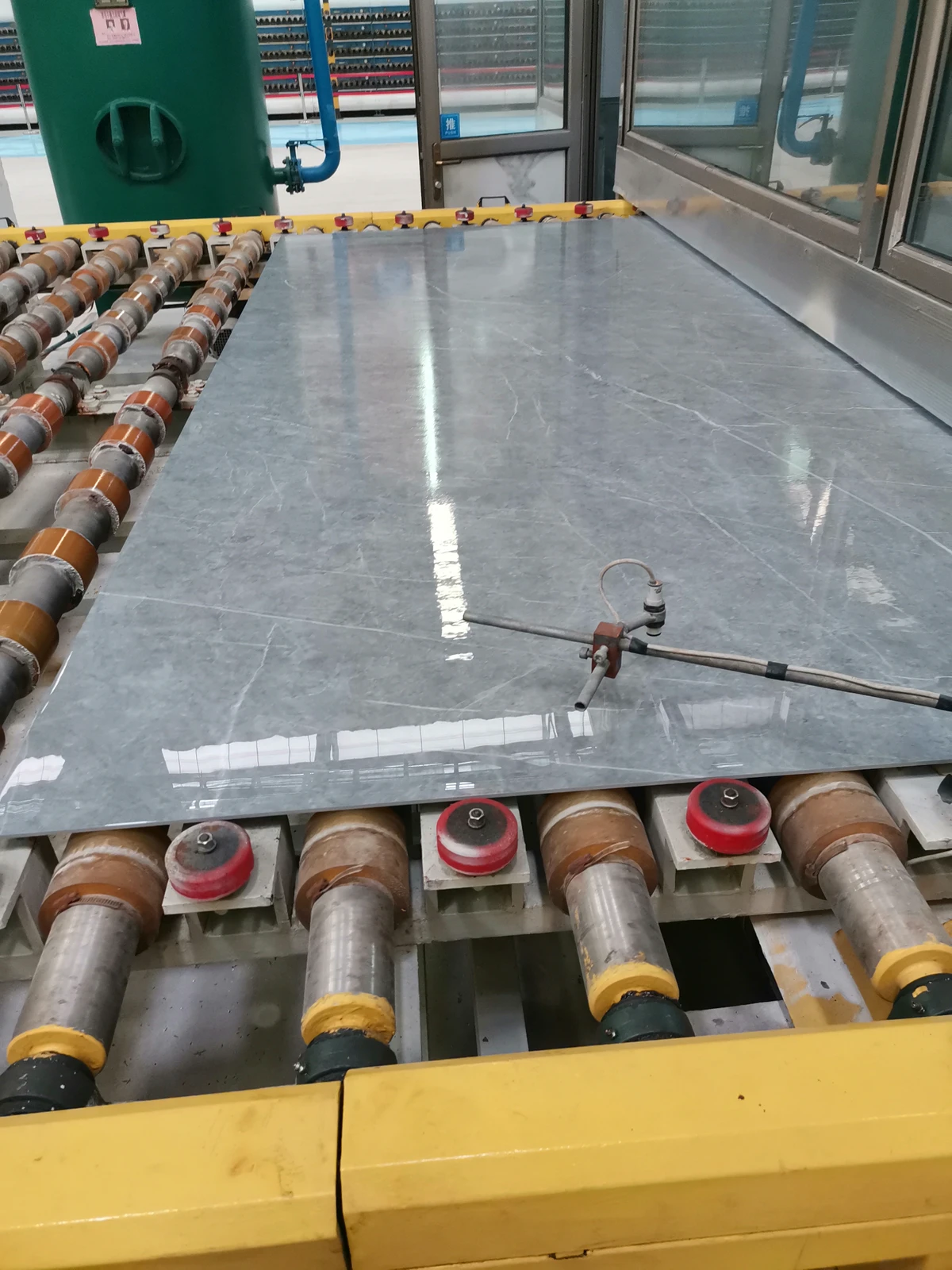 Sintered stone vs. other materialsComparison with other surfacesWhen it comes to maintenance and durability, Sintered stone outperforms alternatives like granite, marble and quartz. Our detailed comparison on DTuo Sintered Stone highlights the low maintenance and high durability that makes Sintered stone the preferred choice for a variety of applications.
The Argument About SealingTo seal or not to sealThe unique properties of Sintered stone (such as its non-porous nature) often eliminate the need for sealing. Industry experts agree that the material is durable and easy to maintain, as outlined in our Installation and Maintenance Guide.Maximizing the life of Sintered stoneMaintenance tipsProper maintenance can significantly extend the life of a Sintered stone surface. Our Technical Specifications page provides a wealth of information on how to effectively maintain your Sintered stone installation.The durability of Sintered stone is not just a claim; it has been proven through numerous successful installations.
Frequently Asked Questions
Does Sintered stone need to be sealed?
No, Sintered stone does not need to be sealed as it is non-porous.
How do I care for the surface of Sintered stone?
Simple cleaning with water and a mild detergent is sufficient. Avoid using harsh chemicals.
Can Sintered stone be used outdoors?
Of course, Sintered stone is UV resistant and can withstand outdoor conditions.