Sintered stone has become a highly sought-after kitchen countertop material due to its durability, uncomplicated maintenance, and health-conscious composition. It's a popular alternative to quartz because it's manufactured using less silica, a toxic chemical compound known to result in harmful side effects for those exposed to it during manufacturing.
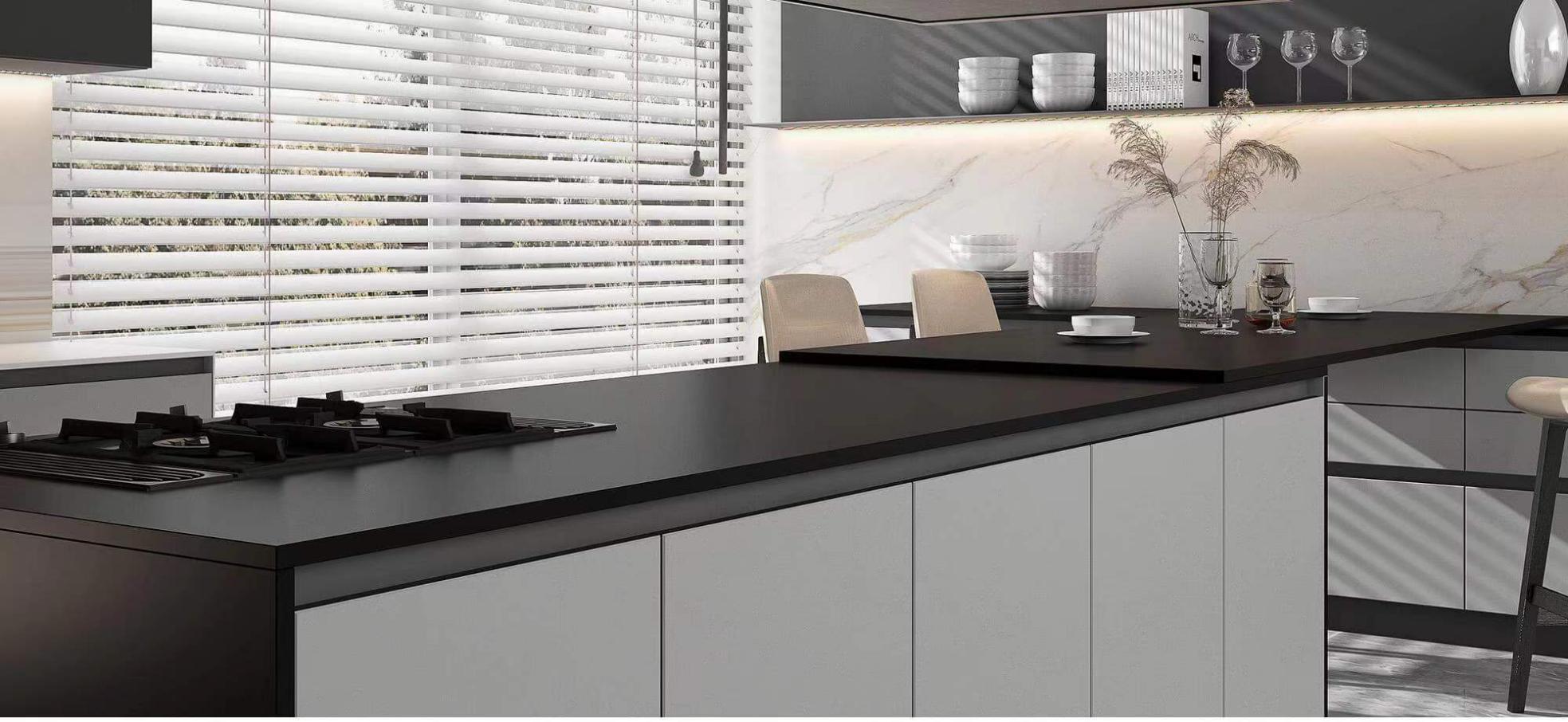
Guide to Sintered Stone Porcelain Countertops: Cost, Pros, Cons
What Is Sintered Stone?
Sintered stone, also known as ultra-compact surface or sintered porcelain, represents a revolutionary advancement in countertop materials. It is crafted through a high-temperature sintering process, which involves compressing fine particles of natural minerals, such as clay, quartz, silicon,feldspar, and other inorganic materials, under extreme heat and pressure. This results in an exceptionally dense, non-porous homogeneous surface.
Unlike traditional natural stones like granite or marble, sintered stone exhibits uniform color and texture throughout its entire thickness, making it highly resistant to chipping, scratching, and staining. Its composition and manufacturing process ensure a durable, low-maintenance surface that mimics the aesthetic appeal of natural stone while offering superior performance characteristics.
Why is it Recommended for Kitchen Countertops?
Durability and Strength
Sintered stone countertops boast unmatched durability and strength. Their dense, nonous nature makes them resistant to heat, stains, and everyday wear and tear. This resilience ensures that your kitchen countertops remain pristine, even with heavy use and minimal maintenance.
Aesthetic Appeal
Available in a wide range of colors, textures, and finishes, sintered stone offers a versatile palette to suit any kitchen design. Whether you prefer the sleek modernity of polished surfaces or the rustic charm of matte finishes, sintered stone can seamlessly integrate into your interior décor.
Easy Maintenance
Unlike natural which may require sealing and specialized cleaning products, sintered stone is incredibly easy to maintain. Its non-porous surface repels stains and bacteria, making it a hygienic choice for food preparation areas. Regular cleaning with mild soap and water is sufficient to keep your countertops looking pristine.
Price and Cost of Sintered Stones, How to Choose a Trusted Supplier
The cost of sintered stone countertops varies based on factors such as brand, design, thickness, and installation complexity. Generally, stone tends to be more expensive than laminate or engineered quartz but comparable or even less expensive than high-end natural stones like marble or some grades of granite.
When choosing a trusted supplier, consider the following:
- Reputation and Experience: Look for suppliers with a proven track record of delivering high-quality sintered stone products and excellent customer service.
- Product Range: Ensure the supplier offers a diverse selection of colors, textures, and finishes to match your design preferences.
- Certifications: Verify that the stone products meet industry standards and are certified for safety and quality.
- Installation Services: Opt for suppliers that provide professional installation services to ensure your countertops are installed correctly and with minimal disruption.
Stone Installation and Precautions for Sintering
Installing sintered stone countertops requires precision and expertise. Here are some key considerations and precautions:
- Measurement andTemplating: Accurate measurement and templating are crucial to ensure a perfect fit. Professionals will use advanced templating techniques to capture the exact dimensions and layout of your countertops.
- Substrate Preparation: The underlying surface (substrate) must be flat, stable, and clean. Any imperfections can lead to improper installation and potential damage to the sintered stone.
- Adhesive and Seam Treatment: Use high-quality adhesives specifically designed for sintered stone to ensure a strong bond. Seams, if any, should be treated with color-matched caulking to maintain a seamless appearance.
- Handling and Cutting: Sintered stone is extremely hard and dense, requiring specialized tools and techniques for cutting and handling. Always work with experienced installers to avoid damage.
Advantages and Disadvantages of Sintered Stones
Advantages
- Durability: Exceptional resistance to scratching, chipping, and staining.
- Low Maintenance: Easy to clean and maintain, requiring no sealing.
- Aesthetic Versatility: Wide range of colors, textures, and finishes.
- Heat Resistance: Safe for use with hot pots and pans without damage.
- Hygiene: Non-porous surface repels bacteria and stains.
Disadvantages
- Cost: Generally more expensive than budget-friendly options like laminate or engineered quartz.
- Weight: Heavier than some other countertop materials, requiring proper support during installation.
- Installation Complexity: Requires professional installation due to its hardness and density.
Are Sintered Stones Easy to Maintain and Clean?
Yes, sintered stones are to maintain and clean. Their non-porous surface makes them resistant to stains, bacteria, and other contaminants. Regular cleaning can be achieved with warm water and a mild detergent, avoiding harsh chemicals or abrasive cleaners that could scratch the surface.
For stubborn stains or spills, promptly wipe them up with a damp cloth and mild cleaner. Avoid using abrasive pads or scrubbers, as they may scratch the surface. Occasional sealing is not required, as sintered stone is inherently non-porous and stain-resistant.
DiTuo China Sintered Stone offers a range of best-selling countertop, floor, wall, and bathroom cabinet surfaces designed to reach customers directly at factory prices, and the global experience of a professional exporter is a partner you can trust!