Is the quality of Sintered stone slabs from China good?
By DiTuo Sintered stone
April 8th, 2025
1821 views
The question of whether Chinese Sintered stone is “good quality” is a complex one. It is not a simple “yes” or “no” answer. While some believe that Made in China is synonymous with low quality, the truth is more subtle.This article explores the Sintered stone industry in China, the range of quality available, how to recognize a quality product, the pros and cons of sourcing from China, and how it compares to Sintered stone from other countries so you can make an informed decision.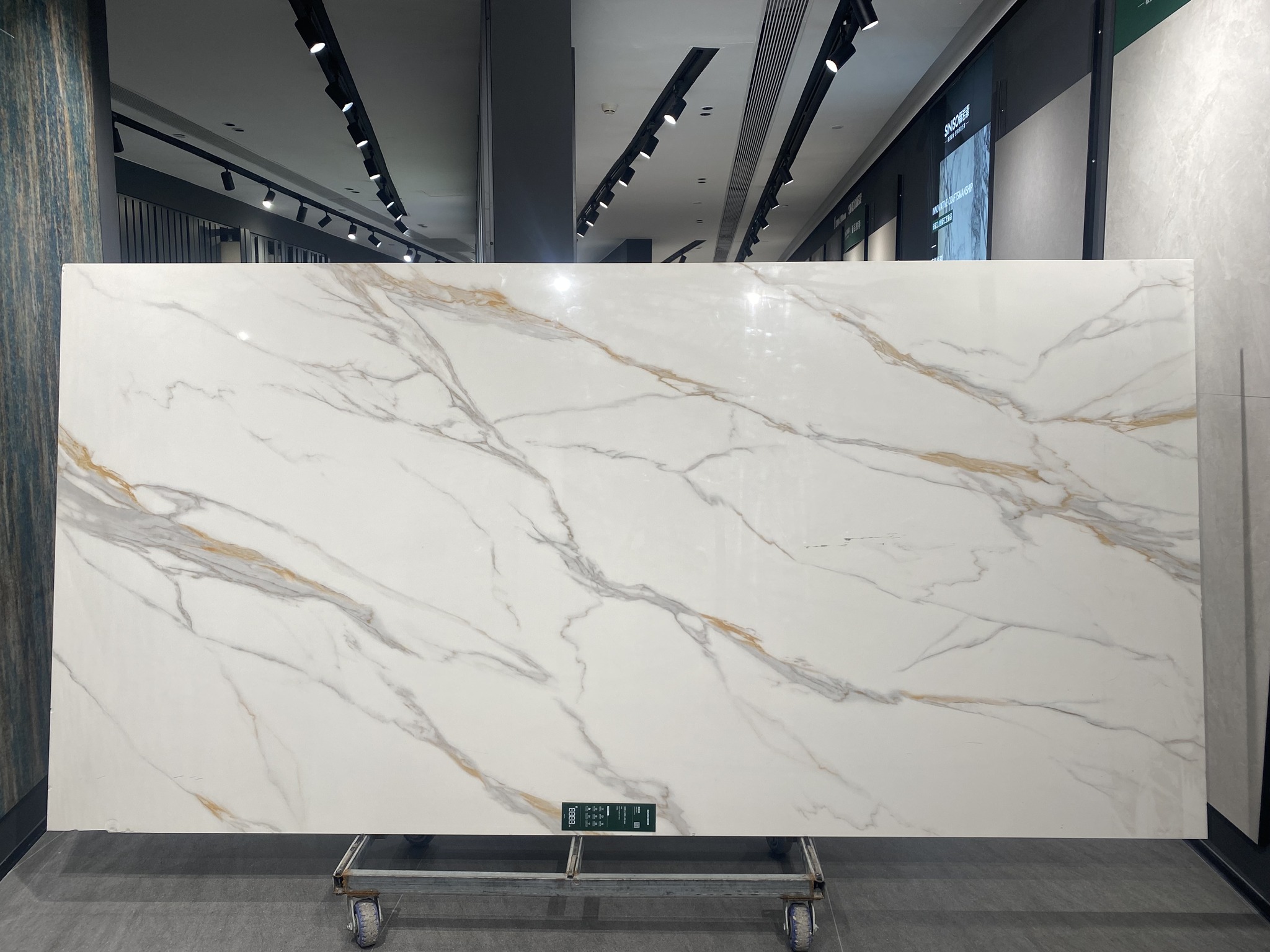 1. Overview of Sintered stone production and industry in China
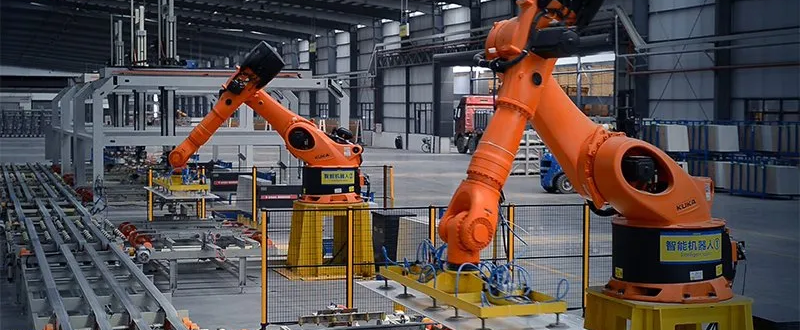 The Sintered stone industry in China has experienced significant growth over the past decade, making China one of the largest manufacturers and exporters of Sintered stone products in the world.Leading Chinese manufacturers such as Xinmingzhu, DITUO and MONALISA have invested heavily in technology, machinery and research to improve the quality and variety of Sintered stone products.While quality may vary from manufacturer to manufacturer, the overall growth in demand for Sintered stone in China makes it a viable option for budget-conscious projects without sacrificing too much on performance and design.China's share in the Sintered stone industry is expected to grow further as innovation continues.2. Quality scope and differentiation
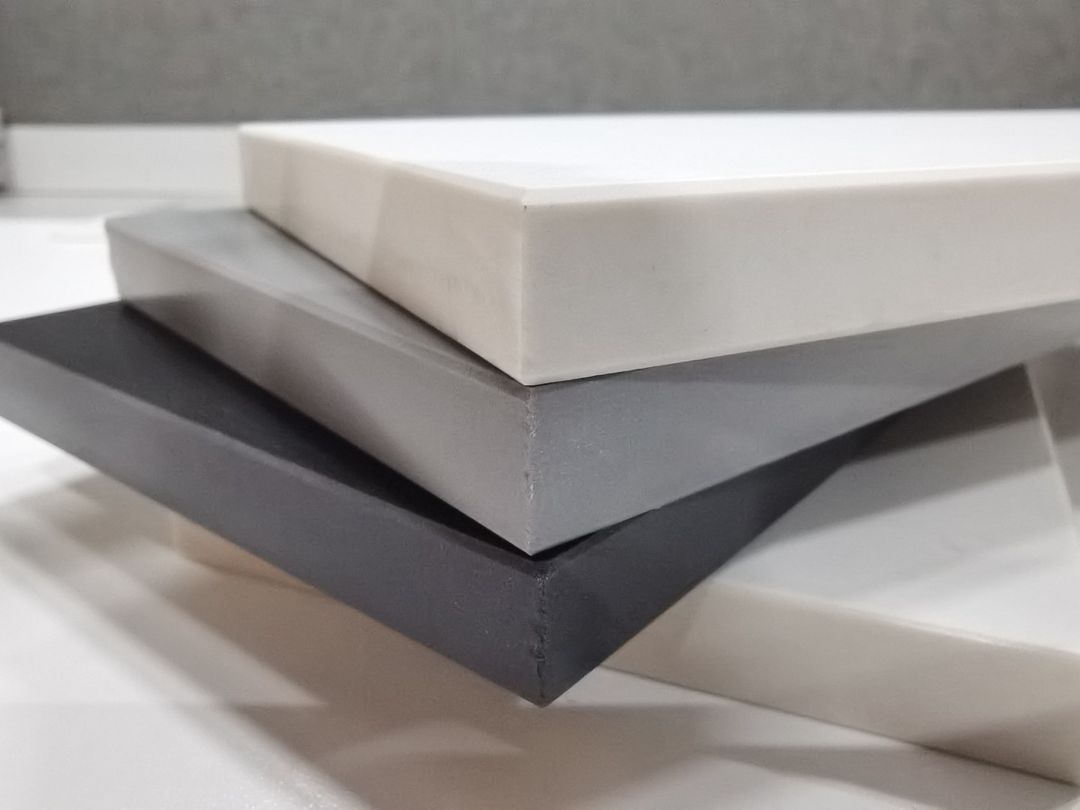 Sintered stone from China is not a single product. Its quality varies greatly and is directly related to the manufacturing process, the raw materials used and the level of quality control implemented.High-end: Some Chinese manufacturers focus on quality, using premium raw materials, advanced technology and strict quality checks. Their products usually meet or exceed international standards and are comparable to products from Italy or Spain.Mid-range: Products in this segment strike a balance between quality and price. Although the products are not always perfect, they are usually suitable for a wide range of applications and offer good value for money.Low-end: Products in this category are price-conscious and are usually made from lower quality raw materials, with less sophisticated manufacturing processes and poorer quality control. These products can be inconsistent in color, texture and durability and are more prone to defects.Understanding this range is critical. Generalizing about “Chinese Sintered stone” is misleading. As with any manufacturing center, there are both quality products and poor quality products.
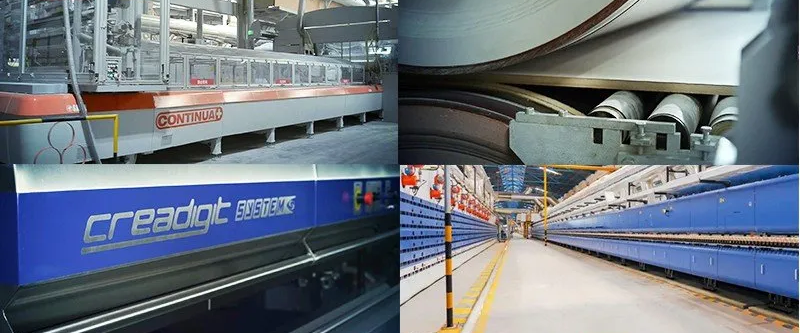 DITUO specializes in the mid to high end Sintered stone market. We utilize SYSTEM and SACMI's state-of-the-art equipment to produce slabs that rival the durability and design of European and other high-end brands at a fraction of the cost.3. How to identify good quality Sintered stones from China and differentiate between them
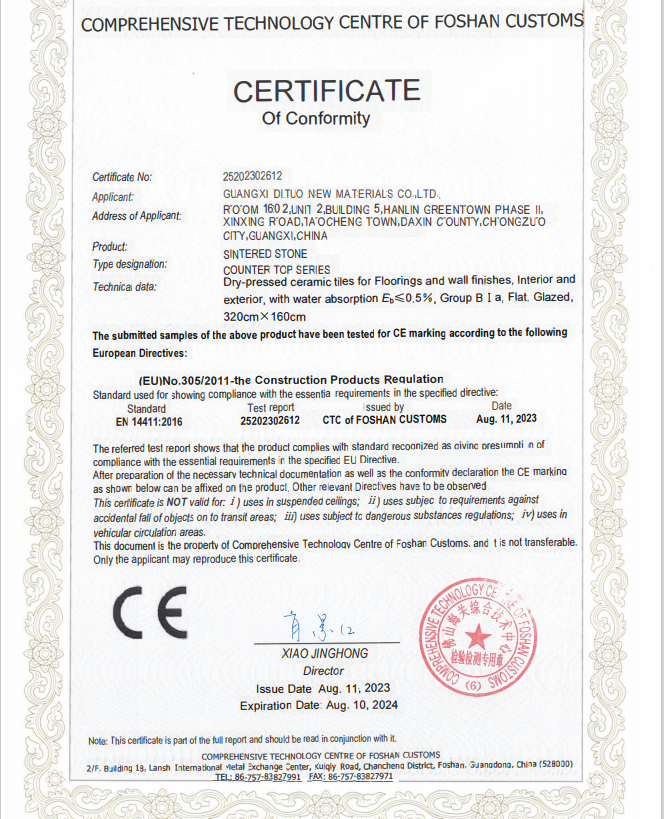
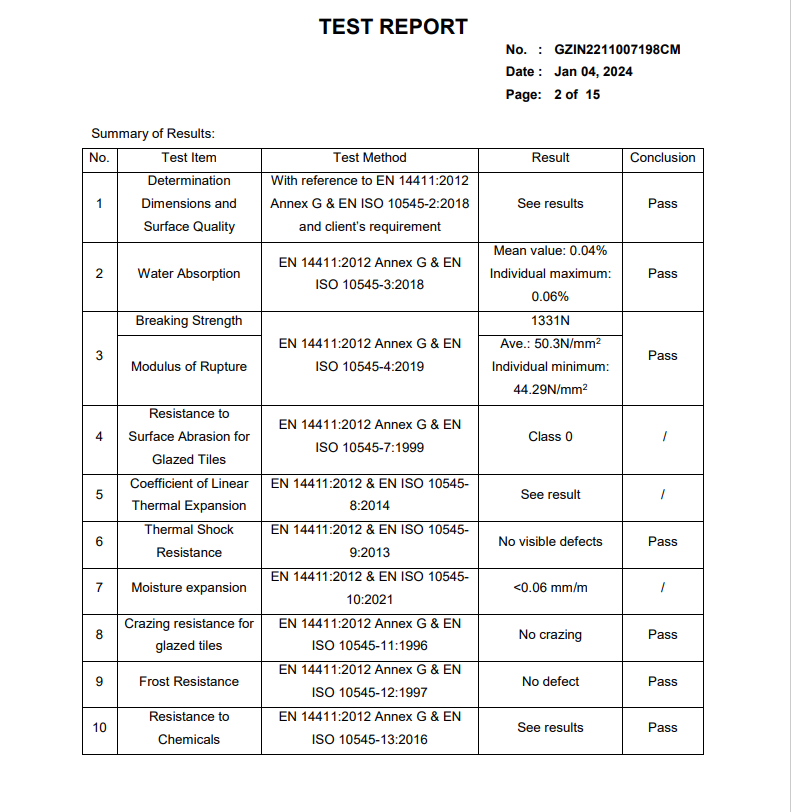
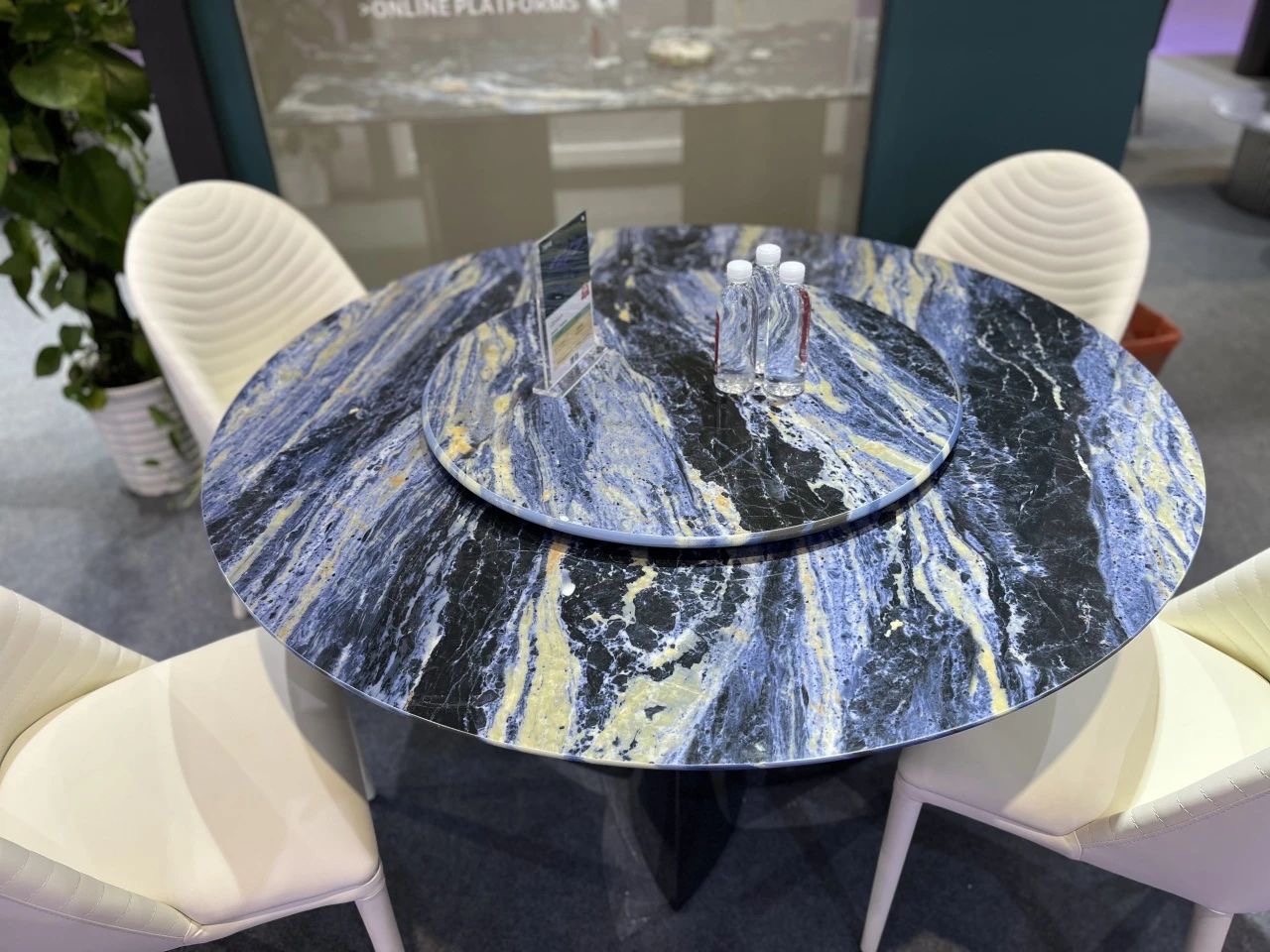 When choosing quality Sintered stone from China, it is vital to understand the difference between a quality product and a lower grade alternative. Here are some basic factors to consider when evaluating Sintered stone:Consistency: Check for uniformity in the color, pattern and texture of the slabs. Inconsistencies may indicate poor manufacturing processes or poor quality raw materials.Density and hardness: High quality Sintered stone is dense and hard. A simple scratch test (with care) will show its scratch resistance. Heavier slabs usually indicate higher density compared to their size.Porosity: Sintered stone should have very low porosity. Check the surface for any visible pores or imperfections. The lower the porosity, the better the stain resistance.Dimensional accuracy: Ensure that the slab is completely flat and square and that the dimensions are accurate. Warping or unevenness can make installation difficult.Finish: Check the surface for smoothness, uniformity and the presence of any imperfections.Certifications and standards: Look for certifications such as ISO 9001, which indicates adherence to a quality management system. While it doesn't guarantee quality, it shows a commitment to standards.Samples: Always request samples before placing a large order. This way you can evaluate quality and consistency for yourself.Manufacturer Reputation: Research the manufacturer's history and reputation. Well-known Chinese brands like New Pearl, DiTuo and Monalisa are known for their high-quality products, extensive testing and commitment to innovation. These companies often adhere to international standards to ensure their products are reliable and durable.DiTuo Sintered stones comply with international standards and are certified in accordance with ISO 9001 (quality management), CE (European safety and environmental standards) and other relevant certifications to ensure that you get a high performance product.
 4. Why source Sintered stone from China? What are the advantages and disadvantages?
Pros:
- Affordability: One of the biggest advantages of sintered stone from China is its cost-effectiveness. Chinese manufacturers are able to produce sintered stone at a lower price than many of their European counterparts, making it an attractive option for budget-conscious projects. Despite the lower cost, high-end options still offer impressive performance and aesthetic appeal.
- Wide Variety of Designs: Chinese sintered stone manufacturers offer a broad range of colors, patterns, and textures. From natural stone-like finishes to bold, modern looks, the variety ensures that there is something for every taste and application.
- Durability and Performance: When sourced from reputable manufacturers, sintered stone from China is highly durable, with resistance to heat, scratches, and stains. It can be used for countertops, flooring, and exterior facades without significant wear over time.
- Sustainability: Many Chinese sintered stone brands use eco-friendly production processes, making the material more sustainable compared to other building materials. The material is also non-porous, meaning it doesn’t retain stains or bacteria.
Disadvantages:
Inconsistent quality: as with any large manufacturing market, quality can vary greatly from brand to brand. Lower-end products may have surface defects, inconsistent colors, or lack of durability. It is critical to choose reputable suppliers to avoid using inferior materials.Communication barriers: Language differences and cultural differences can sometimes create communication challenges.Perceived inferiority: Some people have a bias against products made in China, believing they are of lower manufacturing quality. This perception can make consumers hesitant to choose Chinese Sintered stone over products from more established countries.Limited customization: While Chinese manufacturers offer a wide range of designs, there may be limitations in terms of highly customized finishes or special sizes. This can be a disadvantage for high-end or highly specific projects.5. Comparison: Sintered stone in China and other countriesWhen comparing Sintered stone from China with products from other countries, such as Italy or Spain, several factors stand out, especially in terms of price, quality and design innovation.Price: Chinese Sintered stone is usually cheaper than European or American Sintered stone. This is due to lower manufacturing and labor costs in China, making it ideal for larger projects or projects with limited budgets. European Sintered stone, especially from Italy and Spain, tends to be more expensive, reflecting higher labor costs and stricter quality control standards.Quality: While high-end Chinese Sintered stone can match European brands in terms of durability and aesthetics, Chinese Sintered stone comes in a wider range of quality. European brands such as SapienStone (Italy) or Cosentino (Spain) have a reputation for producing some of the highest quality Sintered stones, which are known for excellent consistency, craftsmanship, and attention to detail. However, Chinese brands such as New Pearl and MFG are closing the gap, producing high quality products that offer excellent value for money.Innovation and design: European manufacturers tend to lead the way in design innovation, offering cutting-edge styles and finishes that cater to the high-end market. Chinese brands, while versatile, may be slower to innovate in some areas, but they still offer a wide range of modern design options at more competitive prices.Availability and supply chain: Chinese Sintered stone benefits from a stronger supply chain and greater availability, especially for bulk orders or large projects. This makes Chinese Sintered stone more accessible to global buyers, whereas European brands may have more limited availability outside their local markets.ConclusionIf you focus on quality and are willing to pay a higher price, Italy or Spain may be your first choice. If you are looking for a balance between quality and price, China may be a good choice.While Chinese brands offer a wide range of products, the quality varies greatly. Don't just focus on price. Instead, prioritize value - the balance between price, quality and reliability. We hope you will be successful in sourcing high quality Sintered stone from China for your project.
Previous
Looking for Sintered stone suppliers near you|Complete Guide
Read More
Next
Buyer's guide to sintered stone (ceramic slabs): price cost and brands
Read More