When choosing a countertop material, it’s important to consider various performance characteristics. Here’s a detailed comparison of natural marble, quartz stone, and sintered stone countertops:

1. Durability
- Natural Marble: While luxurious and beautiful, marble is relatively soft and prone to scratching, chipping, and staining. It also requires regular maintenance to keep it in good condition.
- Quartz Stone: Engineered from natural quartz combined with resin, quartz countertops are extremely durable, scratch-resistant, and less likely to chip compared to marble. They are non-porous, making them resistant to staining and bacterial growth.
- Sintered Stone: Made from natural minerals sintered at high temperatures, sintered stone is highly durable, scratch-resistant, and impervious to staining. It’s one of the most resilient materials available for countertops.
2. Appearance
- Natural Marble: Known for its unique veining and elegance, each marble slab is unique, which adds to its appeal. It is available in a variety of colors and patterns.
- Quartz Stone: Offers a wide range of colors and patterns, including some that mimic the look of natural stone like marble. The consistency in pattern and color can be an advantage for some homeowners.
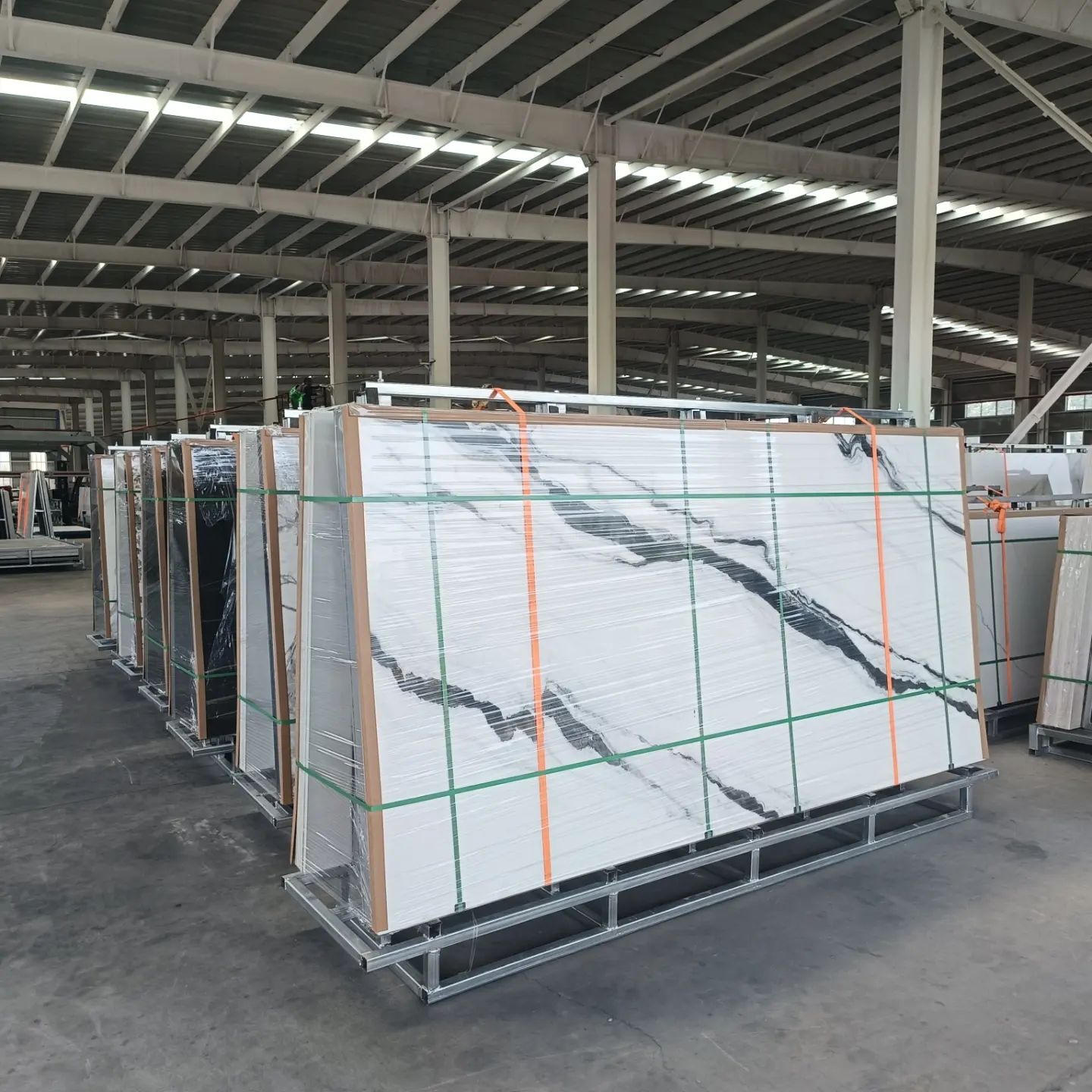
- Sintered Stone: Available in various colors and patterns, including those that replicate natural stone. It can be designed to mimic marble, granite, or other natural stones closely.
3. Maintenance
- Natural Marble: Requires regular sealing to prevent stains and damage. It needs careful cleaning with pH-neutral products to avoid etching.
- Quartz Stone: Low maintenance, does not require sealing. Routine cleaning with mild soap and water is sufficient.
- Sintered Stone: Extremely low maintenance, no sealing required. Resistant to most household chemicals and easy to clean with basic household cleaners.
4. Heat Resistance
- Natural Marble: Moderately heat resistant but can suffer from thermal shock if exposed to sudden temperature changes.
- Quartz Stone: Good heat resistance but can be damaged by extreme temperatures or prolonged exposure to heat.
- Sintered Stone: Excellent heat resistance, capable of withstanding high temperatures without damage, making it ideal for kitchen environments.
5. Stain Resistance
- Natural Marble: Porous and can stain easily if not properly sealed. Substances like wine, coffee, and oils can leave permanent stains.
- Quartz Stone: Non-porous and highly resistant to staining. Spills can be easily wiped away without leaving marks.
- Sintered Stone: Non-porous and highly stain-resistant, similar to quartz. It is virtually impervious to staining.
6. Environmental Impact
- Natural Marble: Extraction and processing can have a significant environmental impact. However, being a natural material, it is not associated with harmful chemicals.
- Quartz Stone: The manufacturing process involves resins and energy-intensive production, but it often uses recycled materials, making it a more sustainable choice.
- Sintered Stone: Manufactured using natural materials and often considered eco-friendly. The production process is efficient, and it doesn’t involve harmful chemicals.
7. Cost
- Natural Marble: Generally high-end and more expensive due to its natural beauty and uniqueness.
- Quartz Stone: Typically more affordable than marble but can vary based on brand and design.
- Sintered Stone: Comparable to or slightly higher than quartz, depending on the brand and specific design.
Summary
- Best for Elegance and Unique Patterns: Natural Marble
- Best for Durability and Low Maintenance: Quartz Stone
- Best Overall Performance (Durability, Heat, and Stain Resistance): Sintered Stone
Each material has its advantages, and the best choice depends on your specific needs and preferences for aesthetics, maintenance, and budget.