Sintered stone is a highly advanced material that has become popular in architecture and interior design due to its elegance, durability, and versatility. Here's a detailed explanation of its properties and the reasons behind its growing popularity:
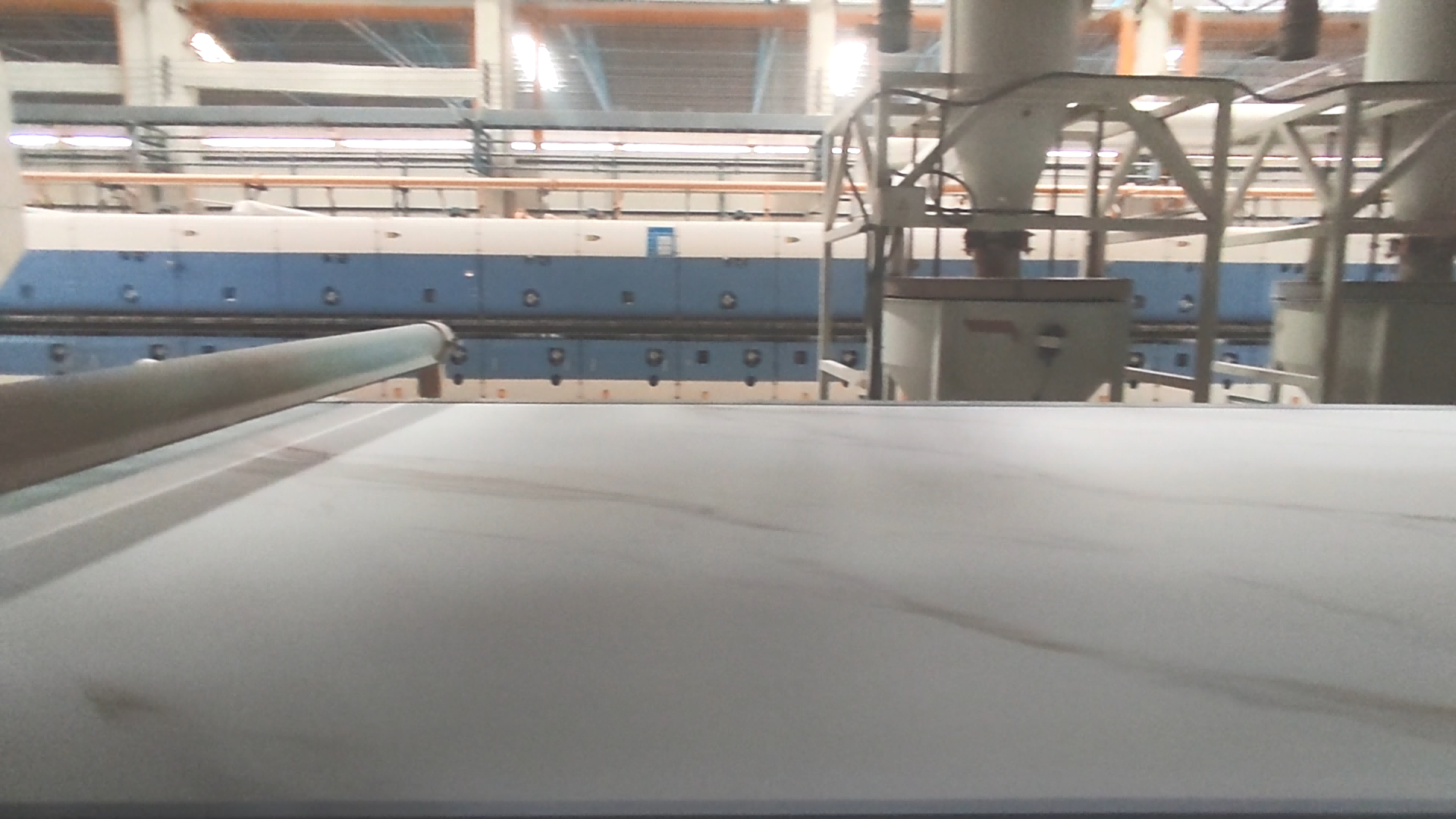
Sintered stone is a man-made material composed of natural raw materials subjected to intense heat and pressure to create a durable, non-porous surface. The process mimics the natural stone formation but is significantly accelerated. The raw materials typically include minerals like quartz, feldspar, and other natural stone derivatives.
Manufacturing Process
- Selection of Raw Materials: High-quality natural minerals and stone particles are carefully selected.
- Grinding and Mixing: The raw materials are ground into a fine powder and mixed to achieve the desired consistency and color.
- Forming: The mixture is formed into slabs or tiles using molds.
- Sintering: The formed slabs are heated to temperatures above 1200°C (2192°F) and subjected to high pressure. This process causes the particles to bond at a molecular level, creating a dense, durable material.
- Finishing: The sintered stone slabs are cooled and then cut, polished, and finished according to design specifications.
Properties of Sintered Stone
- Durability: Sintered stone is incredibly hard and resistant to scratching, abrasion, and impact, making it suitable for high-traffic areas and surfaces that endure heavy use.
- Heat Resistance: The material can withstand high temperatures without damage, making it ideal for kitchen countertops and outdoor applications.
- Stain Resistance: Its non-porous surface prevents the absorption of liquids, making it highly resistant to stains from substances like wine, coffee, and oils.
- Chemical Resistance: Sintered stone resists damage from common household chemicals and acids, ensuring its longevity and ease of maintenance.
- UV Resistance: Unlike some natural stones, sintered stone does not fade or degrade when exposed to sunlight, making it perfect for both indoor and outdoor use.
- Waterproof: Its non-porous nature makes it impervious to water, reducing the risk of mold and mildew in damp environments like bathrooms.
- Hygienic: The surface is easy to clean and maintain, with no need for sealing or special treatments, making it a hygienic choice for kitchens and bathrooms.
- Eco-friendly: The production process of sintered stone is environmentally friendly, using natural materials and often incorporating recycled content. The material is also recyclable at the end of its life cycle.
Applications of Sintered Stone
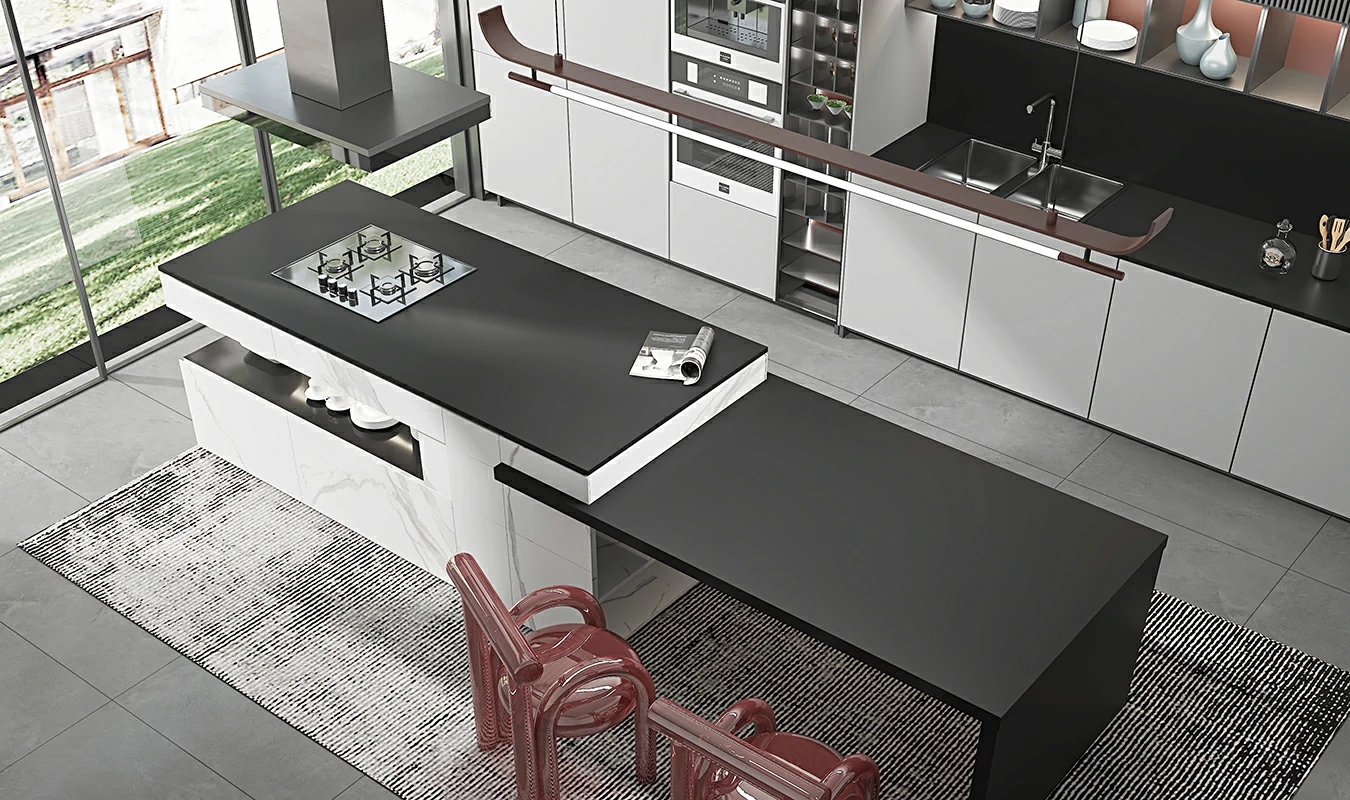
- Countertops: Due to its durability, heat resistance, and aesthetic appeal, sintered stone is an excellent choice for kitchen and bathroom countertops.
- Flooring: Its hardness and resistance to wear make it suitable for both residential and commercial flooring.
- Wall Cladding: Sintered stone can be used as a decorative and protective wall covering, both indoors and outdoors.
- Furniture: It is increasingly used in the production of tables, benches, and other furniture pieces, offering a modern and sophisticated look.
- Facade Systems: Its UV resistance and durability make it ideal for building facades, providing a long-lasting and low-maintenance exterior finish.
Aesthetic Qualities
Sintered stone offers a wide range of aesthetic possibilities. It can mimic the appearance of natural stone, such as marble or granite, or come in contemporary designs and colors. The material can be customized to achieve different textures, finishes, and patterns, allowing for a high degree of personalization in design projects.
Maintenance
Sintered stone is low-maintenance, requiring only regular cleaning with mild soap and water. Unlike natural stone, it does not require periodic sealing or special cleaning products. This ease of maintenance, combined with its durability, makes it a practical choice for various applications.
Conclusion
Sintered stone represents a significant advancement in building materials, combining the beauty of natural stone with enhanced performance characteristics. Its durability, versatility, and low maintenance requirements make it an ideal choice for a wide range of applications in both residential and commercial settings. Whether used in kitchens, bathrooms, floors, or exteriors, sintered stone offers a blend of elegance and practicality that is hard to match.