Introduction
Composition of Sintered Stones
Material Makeup
Sintered stone is composed of a blend of natural minerals, silicon dioxide (SiO2), and pigments that are subjected to high pressure and temperature during the sintering process. This process results in a dense, non-porous surface that is both strong and resilient.
Core Ingredients
- Natural Minerals: Primarily quartz, feldspar, and other durable minerals that provide strength and stability.
- Pigments: Colorants used to achieve a variety of finishes and hues, enhancing aesthetic appeal.
- Ingredients and Manufacturing:Sintered stone slab: Composition and manufacturing process
Unique Properties
- Non-porous Surface: Resistant to stains, bacteria, and other contaminants.
- High Durability: Can withstand heavy use and extreme temperatures.
- Scratch Resistance: Harder than traditional surfaces like granite and marble.
Service Sintered Stone
Durability and Longevity
Sintered stone is renowned for its exceptional durability, with a service life that can exceed several decades. This resilience stems from its composition and manufacturing process, which makes it resistant to wear, tear, and environmental factors.
Factors Influencing Lifespan
- Installation Quality: Proper installation ensures a longer lifespan by preventing cracks and chips.
- Maintenance: Regular cleaning and sealing can maintain the integrity of sintered stone.
- Usage and Environment: High-traffic areas may require more frequent maintenance, but sintered stone consistently outperforms traditional surfaces in such settings.
- Installation and Maintenance Guide:Sintered stone - Installation and Maintenance Guide
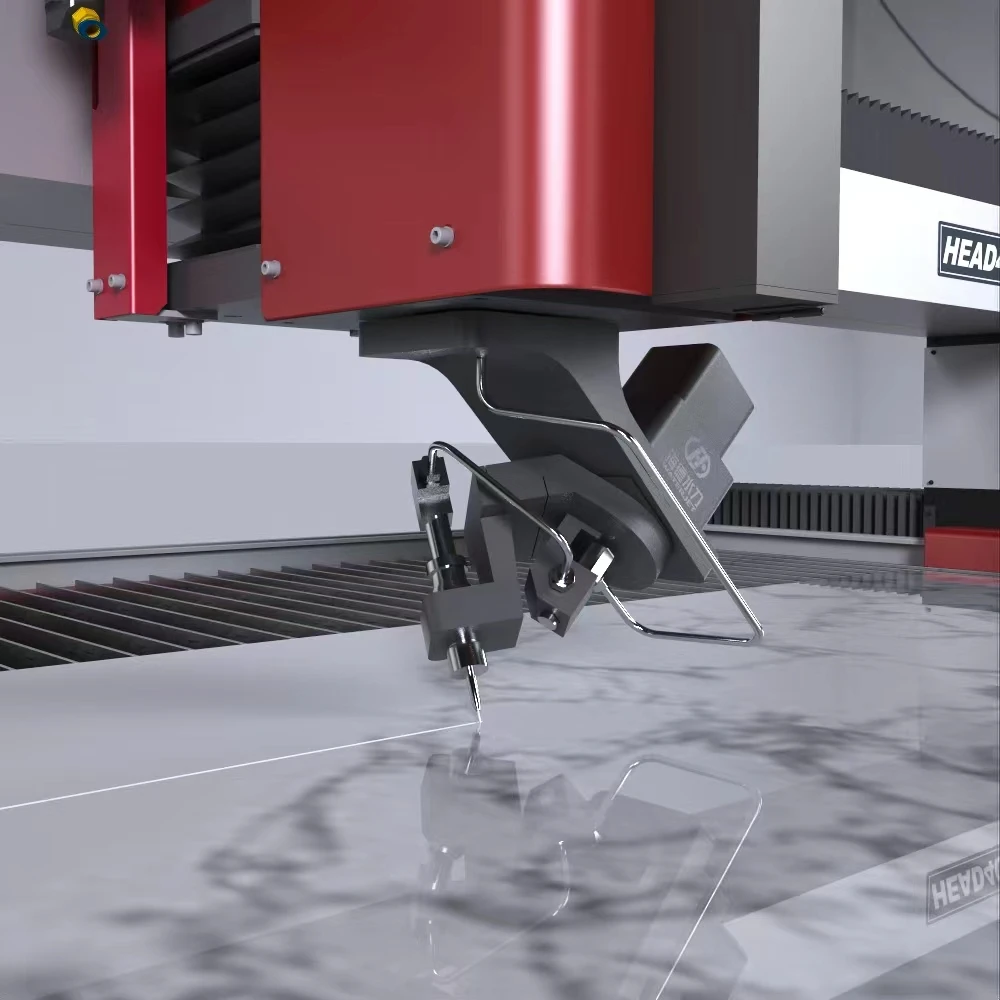
Sintered Stone Cutting Guide
- Diamond Blade: Essential for cutting sintered stone due to its hardness.
- Water Cooling System: Keeps the blade cool and prevents overheating.
- Measuring Tape and Marking Tools: Ensure precision in cutting. Safety Gear**: Gloves, eye protection, and ear protection are crucial for safety.
Cutting Techniques
- Measurement and Marking: Accurately measure and mark the cutting lines using a permanent marker or chalk.
- Clamping: Secure the sintered stone with clamps to prevent movement during cutting.
- Cutting: Use a circular saw or angle grinder with a diamond blade, applying steady pressure and ensuring continuous water flow to cool the blade. Finishing: Smooth the edges using a grinder or router with diamond bits for a polished look.
- Cutting Guide:Sintered stone: A Guide To Cutting and Fabrication
Best Practices
- Slow and Steady: Take your time to avoid rushing and potential errors.
- Ventilation: Ensure proper ventilation to minimize dust exposure.
- Support: Use a sturdy surface to support the sintered stone during cutting to prevent cracking.
- Surface Cleaning Guide: Keeps long-lasting - Sintered stone Ceramic surfaces clean
Sintered Stone Versatility: Dining Tables, Countertops, Flooring
Tables
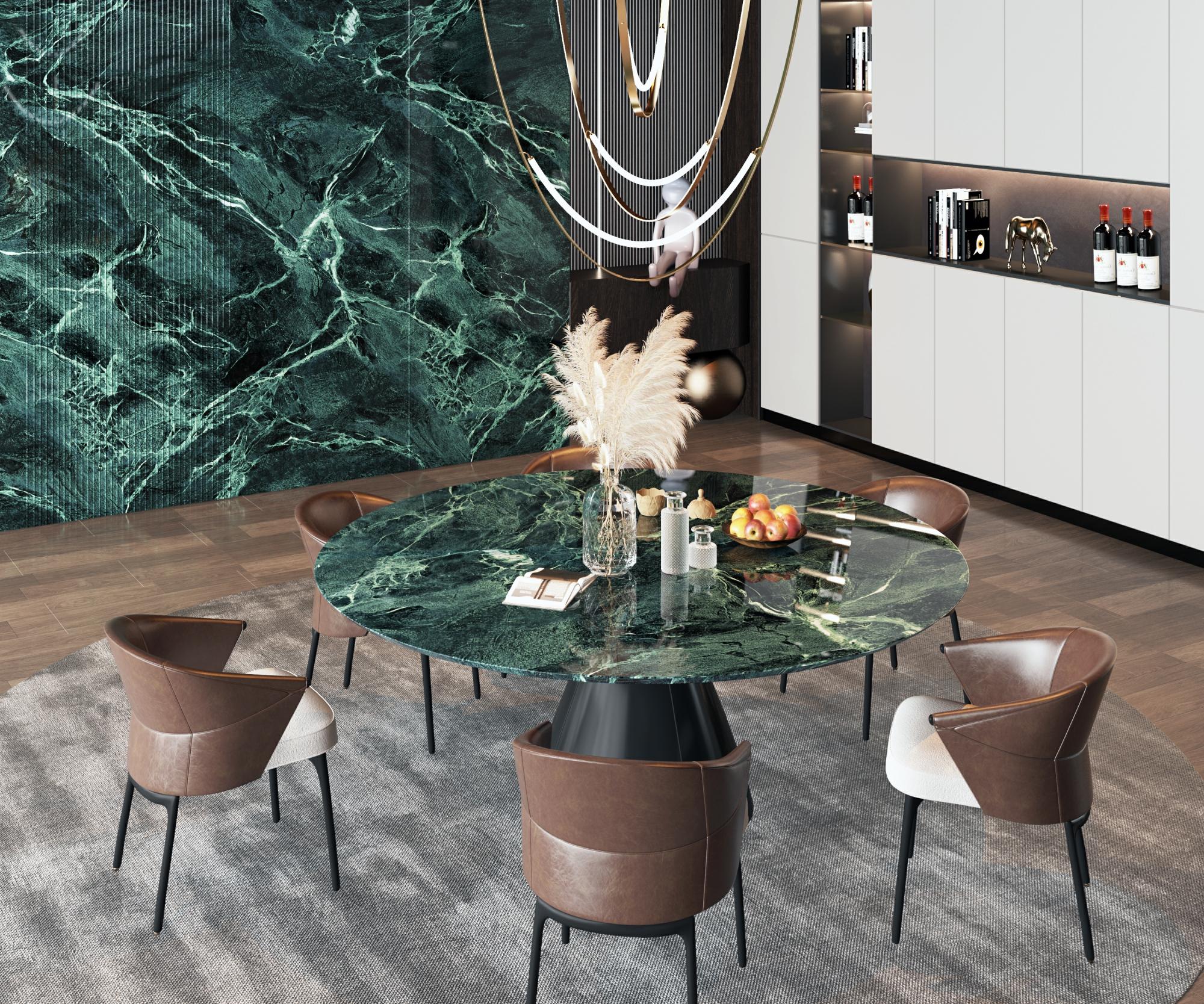
Sintered stone dining tables offer a sleek, modern look with unmatched durability. The non-porous surface is easy to clean and resistant to stains, making it perfect for high-use areas like dining rooms.
Countertops
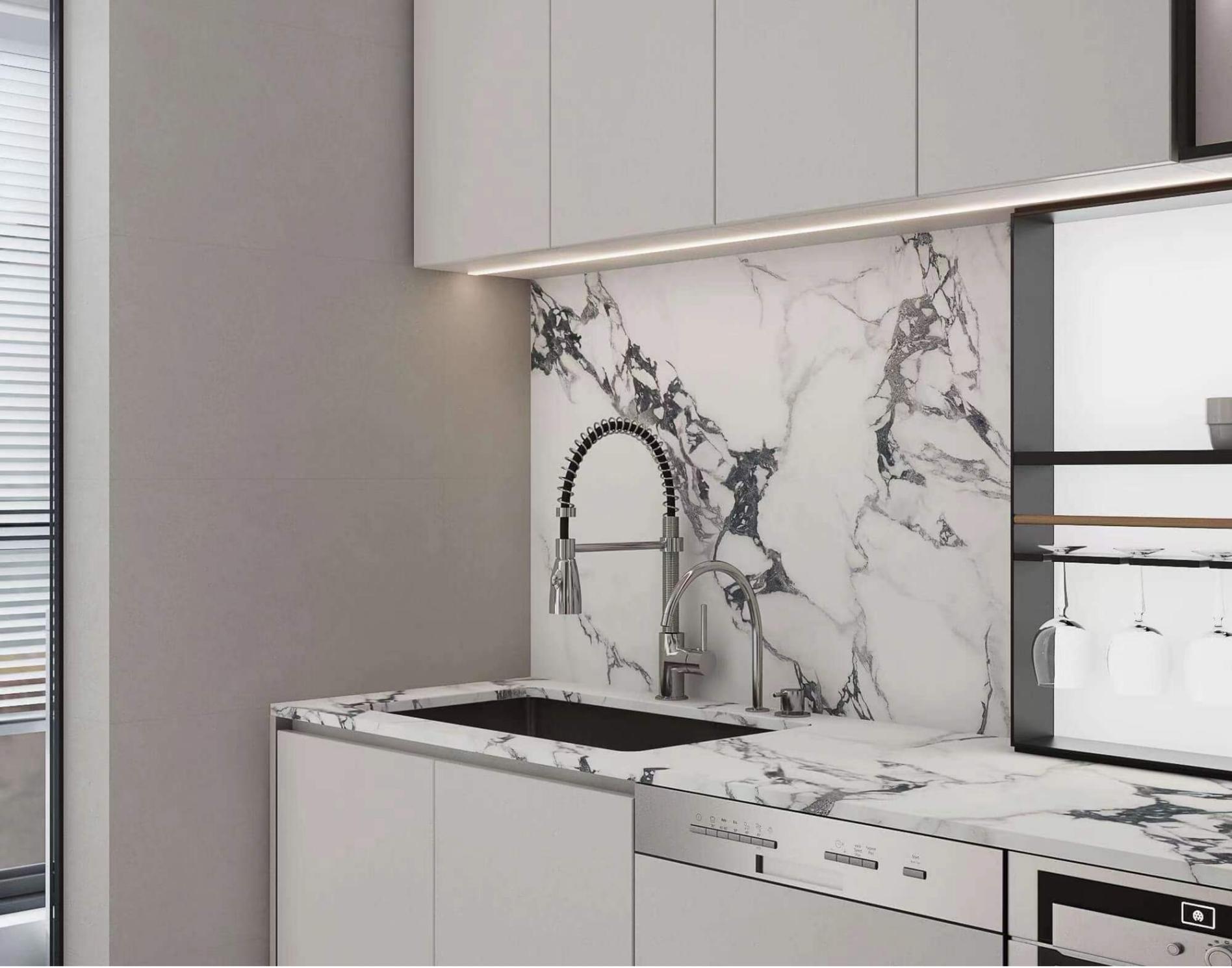
In kitchens and bathrooms, sintered stone countertops provide a robust surface that can withstand daily wear and tear. Its heat resistance makes it ideal for cooking areas, while the aesthetic appeal enhances the overall design of the space.
Flooring
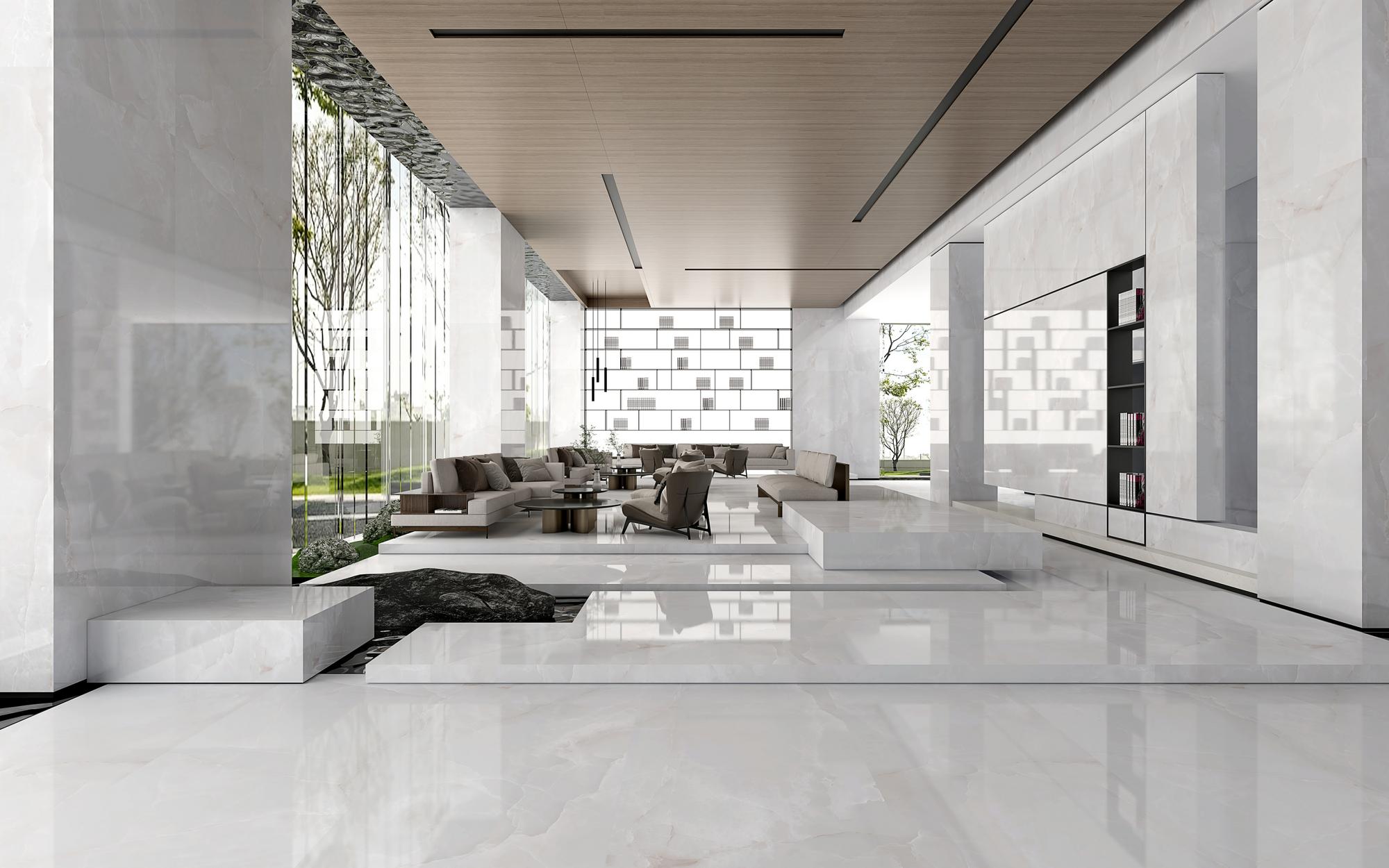
Sintered stone flooring combines luxury with practicality. Its hardness and scratch resistance make it an excellent choice for high-traffic areas, offering a beautiful and durable floor surface that requires minimal maintenance.