Ceramic Surfaces Ceramic Slabs (China Sintered Stone) are a very beautiful and hard artificial stone. They can be used for flooring, walls, countertops, exterior walls, interior walls etc. The production of large format ceramic tiles is a huge industry in China. Chinese manufacturers not only supply their own market but also export their products to numerous countries.
Here is a list of top global porcelain-slab producers / manufacturers — companies widely recognized for their quality, production volume, global reach, and technological leadership. Because you have your own brand (DiTuo) in sintered stone, this also gives a good benchmark of peers and competitors in the slab/large-format surface market.
| # |
Company / Group |
What They’re Known For |
| Laminam S.p.A. (Italy) |
Pioneer in large-format and ultra-thin porcelain slabs; regarded for design innovation and sustainable manufacturing. |
|
| Florim Ceramiche S.p.A. (Italy) |
Produces a wide range of porcelain slabs with advanced surface finishes — a major player in premium and design-oriented markets. |
|
| Marca Corona (Italy) |
Heritage Italian manufacturer; offers extra-large slabs (e.g. up to ~120×278 cm) and thin-slab ranges — used widely in architectural and interior design projects. |
|
| RAK Ceramics (UAE / Global) |
A global ceramics giant; has expanded into “mega slabs” / large-format porcelain slabs and serves 150+ countries. |
|
| Porcelanosa Grupo (Spain / Europe) |
Known for design-driven surfaces and a broad porcelain slab/tile portfolio — strong presence in both residential and commercial projects. |
|
| Daltile / Mohawk Industries (USA / Global) |
Major North American player offering ultra-large porcelain slabs; good distribution network in Americas and globally. |
|
| Crossville Inc. (USA) |
Known for a variety of porcelain slab and tile solutions for residential and commercial floors, walls, and facades. |
|
| Iris Ceramica Group (Italy) |
Combines Italian design and technological excellence, producing high-end slabs and tiles — often used in premium architectural finishes. |
|
| Ceramiche Caesar S.p.A. (Italy) |
Offers slab solutions along with tiles, often chosen for contemporary interiors, walls, and flooring — part of the broader premium European slab segment. |
|
| Levantina (and other European/Spanish producers) |
Recognized among key slab-market players globally, particularly for facade, wall cladding, and flooring solutions. |
|
| DiTuo Poecelain slab Sintered stone (china) |
DiTuo New MaterIals is one of the leading sintered stone manufacturers in China. They combine high-quality raw material and Italy intelligent production lines perfectly to bring you premium quality and cost-effective sintered stone. |
|
Relevance for Your Brand (DiTuo) & Market Positioning
Because DiTuo’s focus is on sintered stone (slabs), it’s useful to keep the following in mind:
-
The market for porcelain/slab surfaces is dominated by large, diversified manufacturers — but there remains room for specialized brands (like DiTuo) that can differentiate on quality, custom finishes, thickness options, or sustainability.
-
Collaborations or comparisons with European/Italian high-end slab makers (like Laminam, Fiorim, Iris, etc.) can help position DiTuo as a premium or design-forward option.
-
For exporting or targeting global markets — especially in Asia, Europe, Middle East — awareness of major global players (RAK, Mohawk/Daltile, Porcelanosa, etc.) helps in benchmarking pricing, specs, and distribution strategies.
Sintered Stone Porcelain Slab Tile has a wide range of uses. Here are some typical applications and practical trends.Residential use casesKitchen countertops: sintered stoneware countertops have become very popular because they are less susceptible to scratches, high temperatures, and other factors.Flooring: entrance halls, living rooms; polished or honed finishes.Wall Decor/Feature Walls: feature walls in exotic colors.Outdoor decks/patios: rough, non-slip granite.Bathrooms: bathroom vanity tops, shower walls and floors; high quality polish and seal required.Commercial Application CasesHotels/resorts: lobby floors, facades, staircases, walls; Office buildings/malls: facades, floors, receptions.Public Infrastructure: airports, train stations - high foot traffic, large size tiles/slabs required.Monuments/Memorials: timeless aesthetic stones.Case Studies and Design InspirationLuxurious interiors with large slabs (and less hook-and-loop) create a clean, upscale look.Focal points (countertops, wall panels, etc.) made of textured or patterned granite contrasted with plain floor tiles.Composite designs: combinations of granite, wood, metal, glass and other materials.Finishes: polished, matte, brushed, flamed (outdoors). The trend is shifting slightly toward more natural or textured finishes rather than ultra-glossy.
| Thickness |
Avg. Slab Price per sq. m. |
Installed Price (Medium – 40 sq. m.) |
Notes |
| 12mm |
$13 – $30 |
$140 – $360 |
Depending on construction difficulty and design |
| 15mm |
$14 – $30 |
$160 – $360 |
Depending on construction difficulty and design |
| 20mm |
$45 – $55 |
$560 – $1,040 |
Depending on construction difficulty and design |
Main factors affecting costs: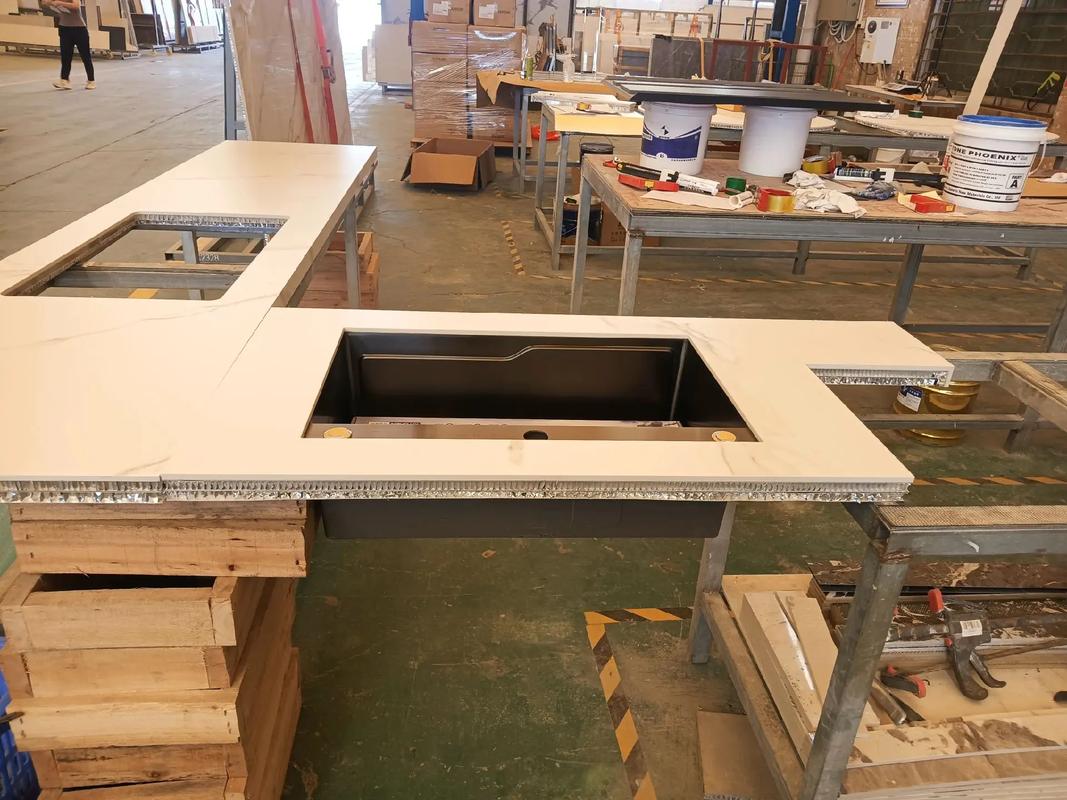 The following factors affect the upfront cost and long-term cost of quartzite countertops. In order to make an informed choice, these factors must be combined with budget, lifestyle and design goals. Cost of Materials This sets the stage for the overall budget. Large-format ceramic slabs typically cost between $13 and $55 per square meter, depending largely on their thickness, rarity, color, texture and quality. Vibrant colors are more expensive than the less popular standard whites and grays. Cost-conscious buyers often prefer versatile neutral tones that coordinate with a variety of décor styles and are more durable.Slab Thickness Sintered stone slabs are usually 12 cm to 20 cm thick. Thicker slabs are more expensive because they are more laborious to handle and install. Larger kitchens or open island designs may require thicker slabs.Manufacturing and InstallationProfessional fabrication and installation ensures a durable product. Some special cuts, complex edge treatments or molding processes can increase labor costs. Tight spaces, curved countertops, or some unconventional layouts can add to the complexity of the job site, requiring skilled labor and longer hours.Customization and Plug-insSpecialty designs, such as full-height splashbacks or waterfall hems, can also add to the cost of a project. Some features may even require more advanced equipment. Note that even the smallest upgrades - such as decorative edging - can have a significant impact on the budget.Site PreparationIn some cases, removing and disposing of old countertops can add quite a bit to the cost. Even plumbing and cabinet remodeling can add to the total cost.Transportation and DistributionPorcelain slabs are both heavy and fragile. Transporting it safely from the supplier to its destination requires extra care and attention. The greater the distance and the more complicated the route, the higher the shipping costs. Coordinating transportation is critical to reduce the risk of damage and effectively control costs.Top 6 Sintered Stone Porcelain Slab Countertop Colors
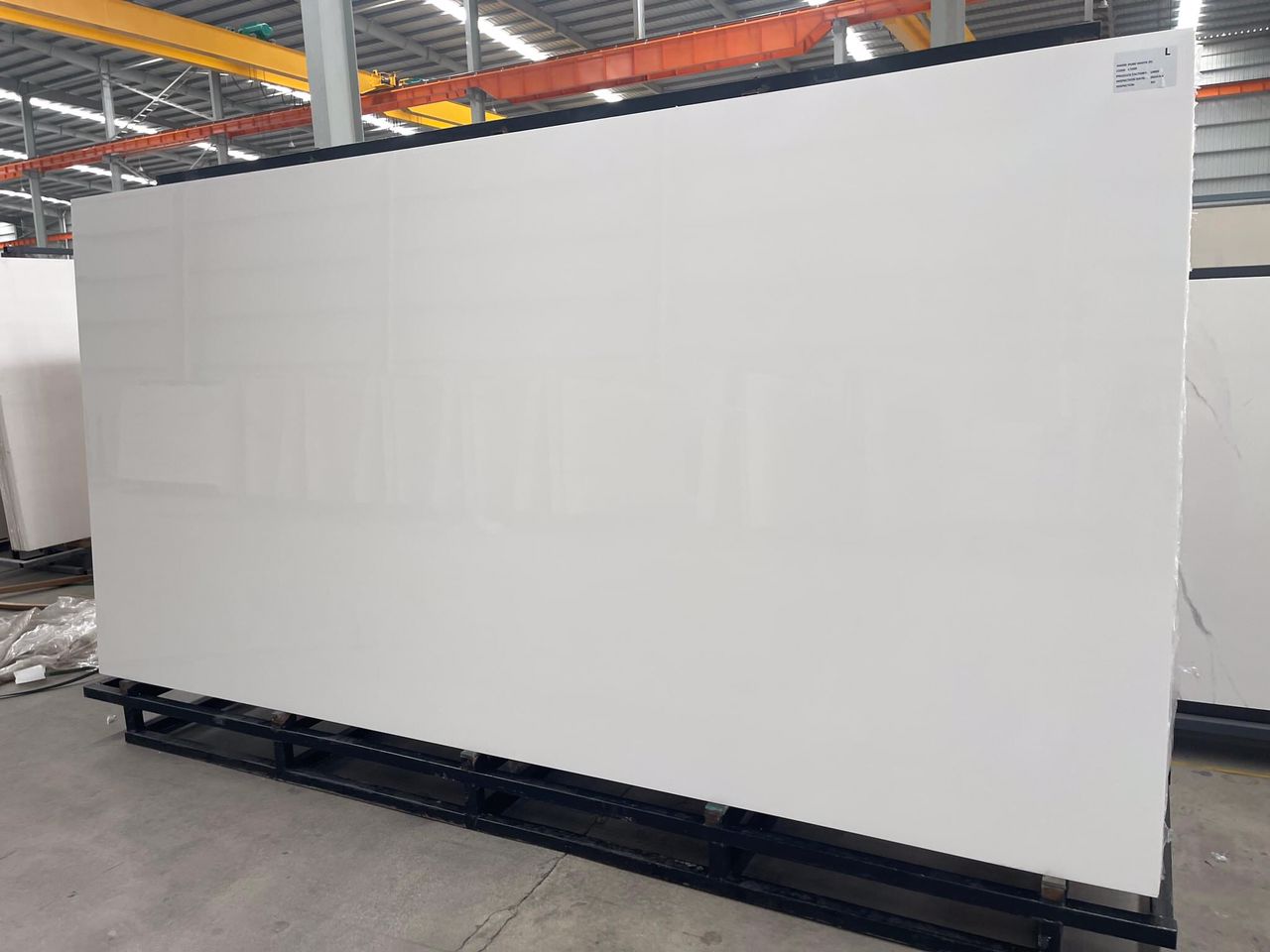 Pure white1600×3200×12mm
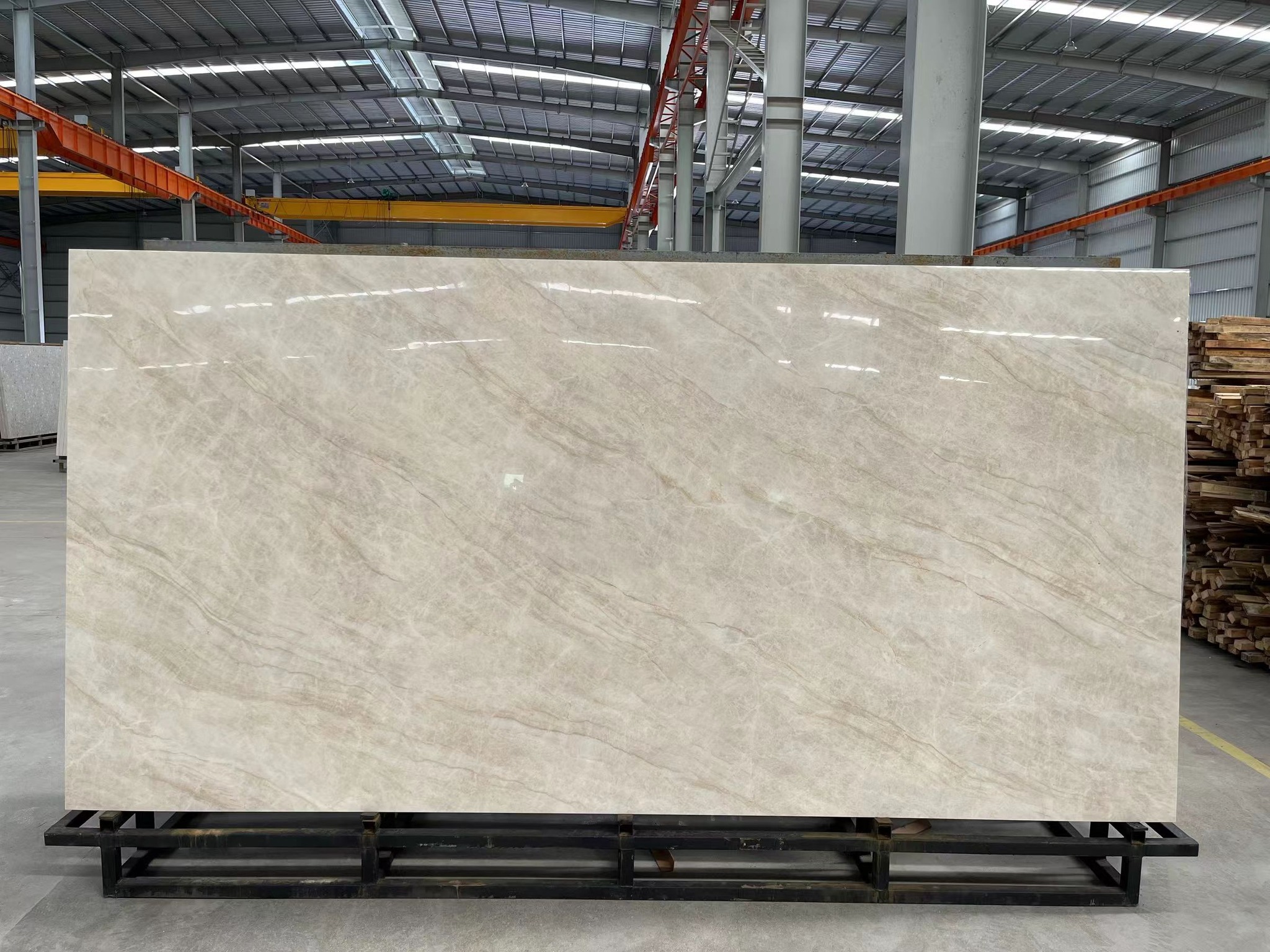 Taj Mahal 1600×3200×12mm
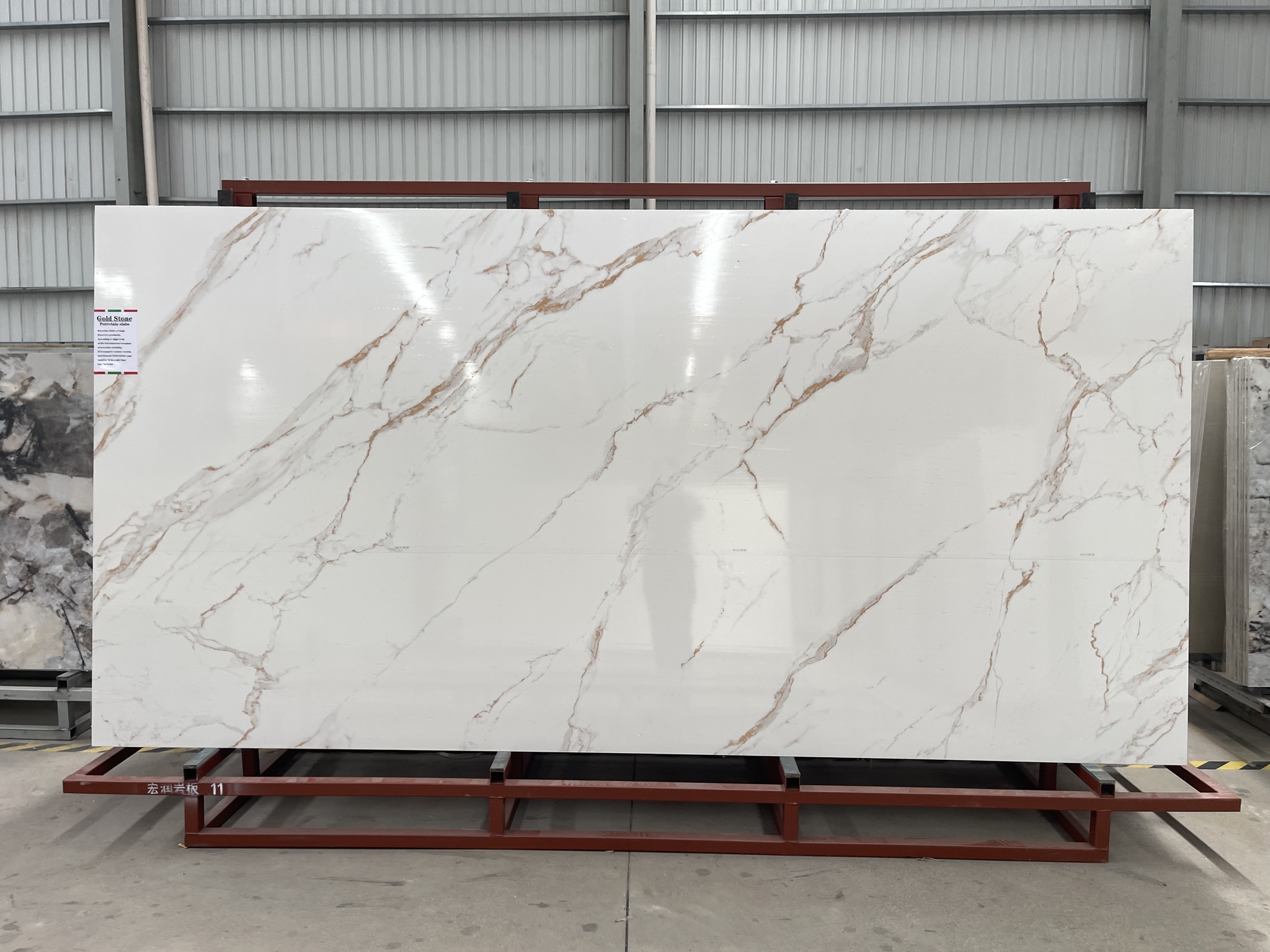 Cara Gold 1600×3200×12mm
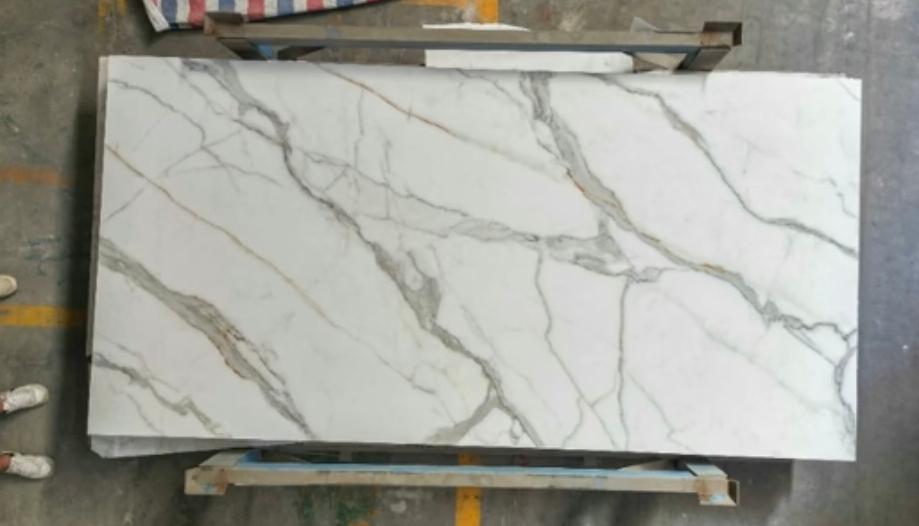 Italy Calacatta White1600×3200×20mm
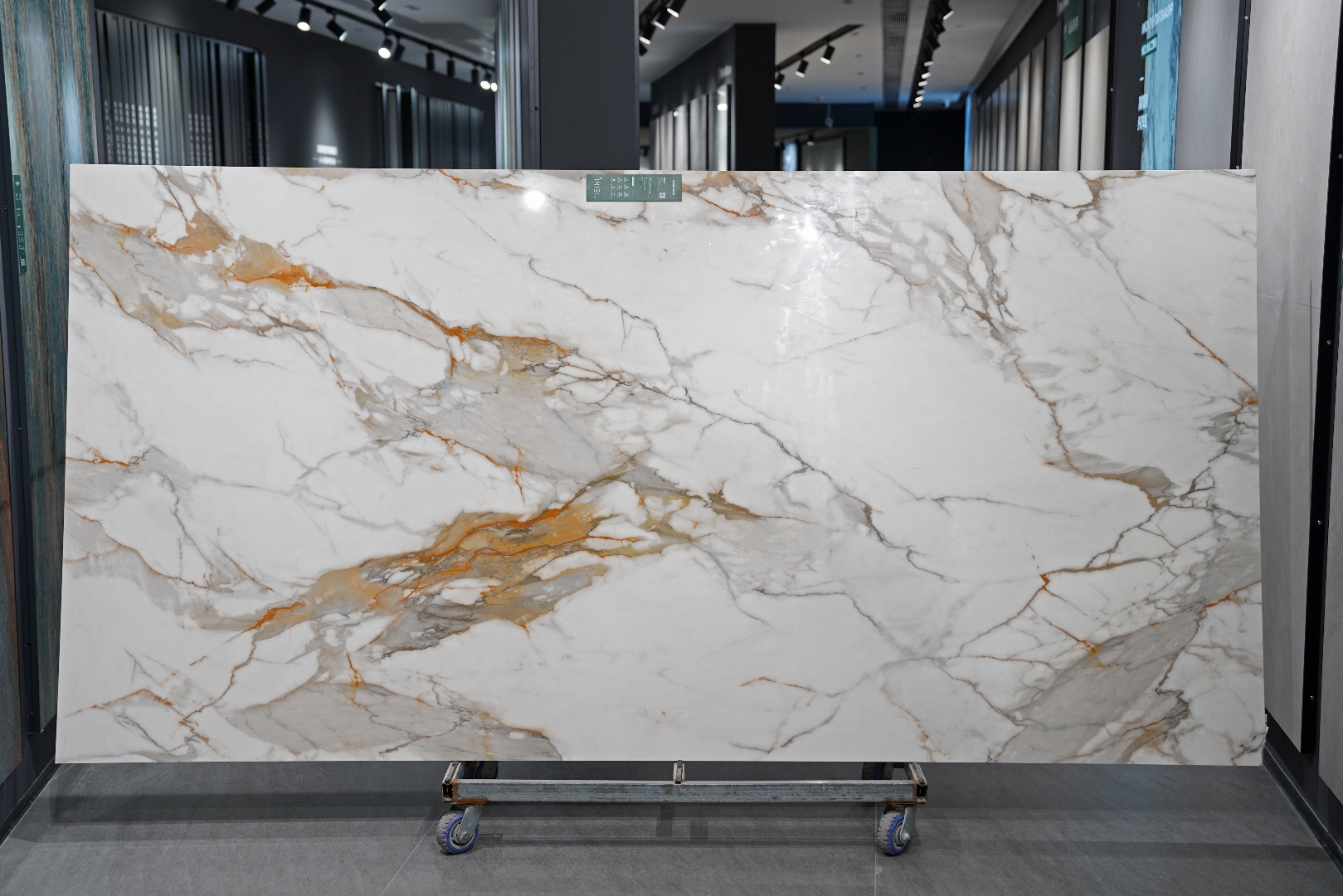 Full body Calacatta Supreme Gold1600×3200×20mm
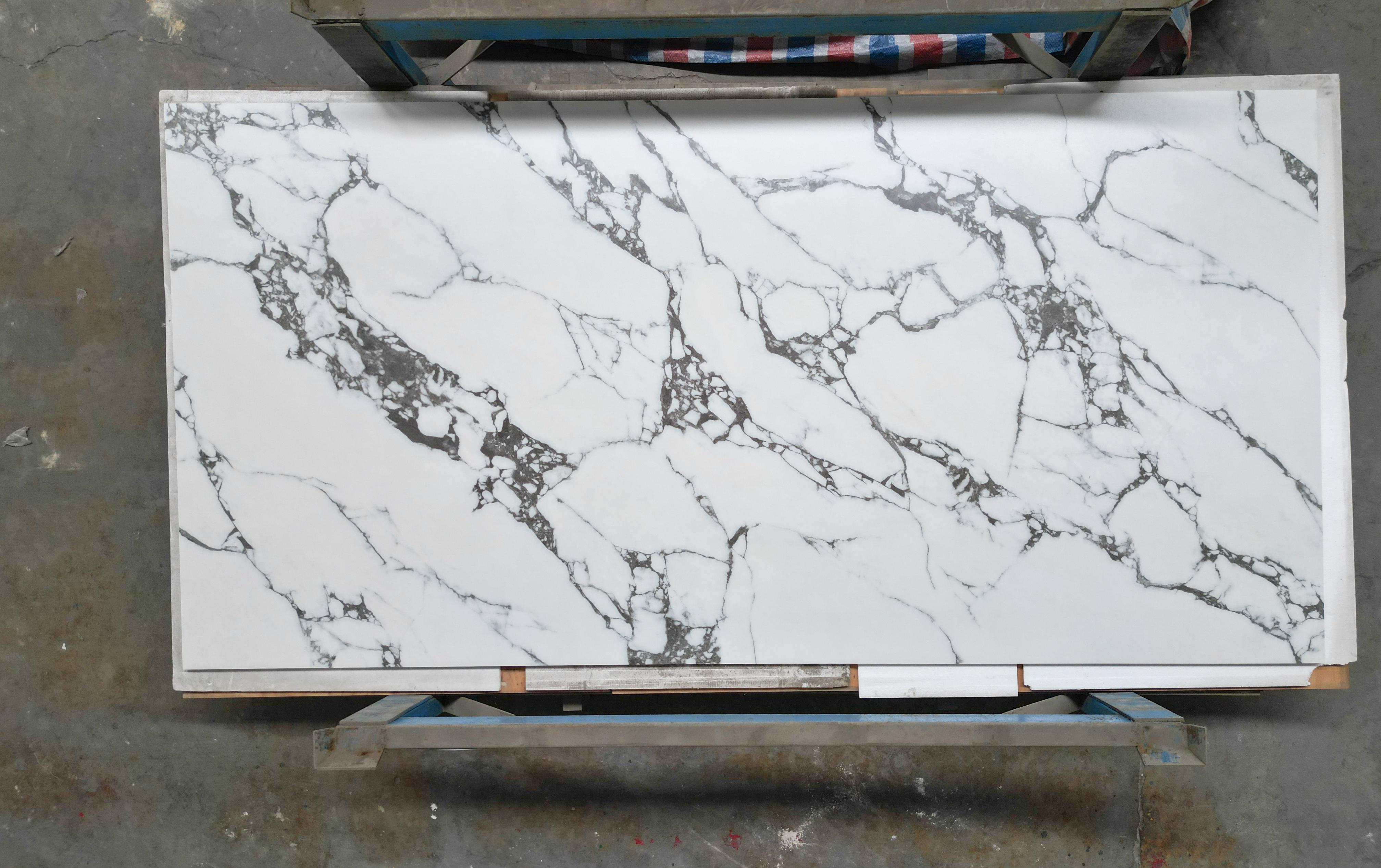 Bulgari White1600×3200×20mmTips for Reducing Countertop Costs (Choosing a Good Supplier) Affordable Materials: affordable materials can immediately reduce the total cost. It is important to research all porcelain slab products as some colors and patterns are less expensive without sacrificing durability and aesthetics.Discreet DIY installation: you can save a significant amount of money on labor if you do some of the removal or installation work yourself. However, burnt stone is fragile and heavy, so heavier jobs will undoubtedly require a professional. Taking on complex tasks will only result in more damage due to improper handling or installation.Accurate Measurements: It's vital to double-check all dimensions. Accurate measurements reduce waste and facilitate subsequent cutting. A small investment of time up front can significantly reduce subsequent costs.Purchase trim or small pieces of lumber: Leftover trim is relatively inexpensive and can be used to create small countertops or trim. Edgings are often sold at a discount. They can also be used for bathroom vanities, laundry rooms or kitchen islands.Material Mix and Match: In non-critical areas, a clever combination of upscale materials, such as quartzite, with more affordable materials can keep costs in check without sacrificing style. For example, quartzite can be used for the main prep countertop, while other secondary countertops can be made from materials such as laminate or solid wood cutting boards.Store clearance or sales: Keep an eye out for seasonal discounts, showroom sales or factory surplus inventory.Refurbish rather than replace: If the existing countertop is structurally sound, refurbishing can significantly reduce costs.Overview Ceramic countertops blend natural beauty with durability. However, beauty or sturdiness is not the only factor that determines cost. It also depends on a number of factors, such as the rarity of the sintered stone surface, the size of the slab, the finishing process, installation, and routine maintenance. Breaking down the cost into clear steps helps you understand where your money is going. Conducting a detailed study from preparation and cutting to sealing and maintenance is critical to cost planning. Planning ahead for additional items such as demolition, ductwork, or custom edging can avoid unexpected expenses.How to choose the right manufacturer of sintered stone porcelain slab
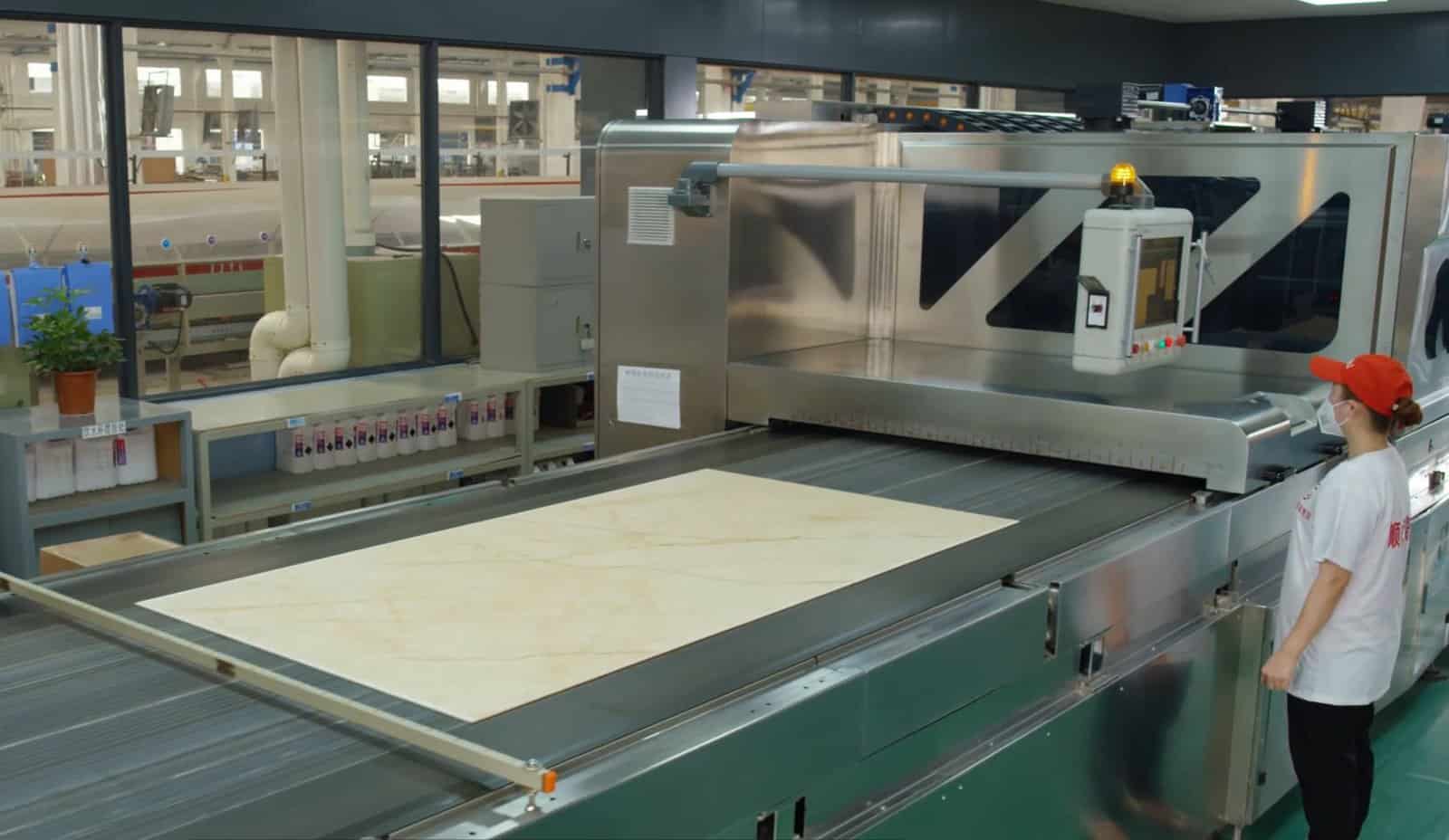 As a buyer (developer, contractor and wholesaler, distributor), choosing the right manufacturer is critical. Here are some tips, considerations and a checklist.EXPERT ADVICE EXAMINE SAMPLES: Ask for physical samples of tiles/slabs, not photos. Look closely at the color, texture and finish.Check thickness and calibration: Tiles must be of consistent thickness; edges must be straight. Discrepancies can cause problems later.Polishing and finish quality: Polishing must be even, smooth, and water and stain resistant.Certifications and compliance: ISO certifications, environmental permits, export certifications, etc., especially when importing or doing high-end work.After-sales service/warranty: do they offer a stable supply, replacement service, etc.?Transportation/Logistics: Stones are heavy; any delay or damage during transportation will reduce the value. Therefore, packaging and transportation must be done properly.Cost vs. value: the cheapest is not always the best; consider longevity, maintenance costs and appearance.Common Mistakes Making decisions based on price alone, without quality testing.Failure to consider toxin differences (assuming same batch).Failure to pay attention to the suitability of finishes: e.g., using smooth stone outdoors makes the floor slippery.Installation costs (cutting, leveling, grouting) are underestimated.Manufacturer's Technology Automation/Robotics: for cutting, finishing, polishing; eliminating human error and improving accuracy.Digital Stone Printing/CAD/CAM: to accurately cut and shape stone and incorporate it into computerized designs.3D Scanning/Mapping: for matching textures/patterns between slabs; while minimizing waste through improved planning.For buyers, the key to success lies in choosing manufacturers that have a good reputation, are well made, have a stable supply, have the right certifications and understand the specific application (indoor/outdoor, commercial/residential).In the future, the industry is expected to focus more on sustainability, exotic and customized gems, digitalization and automation in the manufacturing process, and closer ties with international markets.