
In the tile paving, we will choose to leave the seam paving, which is also recommended by the construction master. However, do you know why there are seams in tile paving? Below, I will introduce it to you all.
Why do we need to leave seams when laying bricks?

Tiles have thermal expansion and contraction problems
Ceramic tiles and cement mortar attached to ceramic tiles will have the problem of thermal expansion and contraction. During the process of temperature or humidity changes, ceramic tiles and cement mortar will have a certain expansion and contraction. Bulging or cracking occurs.
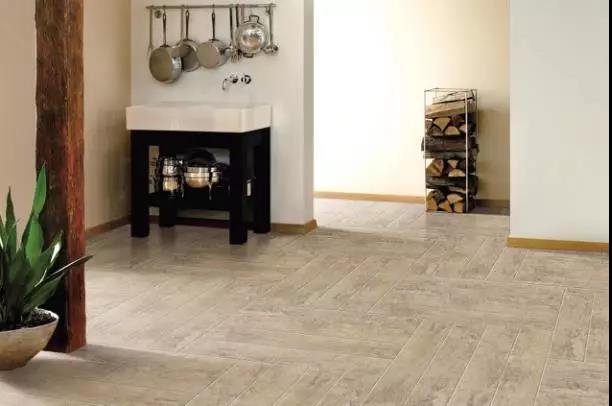
There is a reasonable error in the tiles
Although ceramic tiles are now mechanized production, there will be a certain size error in the process of product production. If no seams are left, it is easy to cause uneven joints when the tiles are laid, which affects the aesthetics of the tiles.
Easy to paste
It is convenient to adjust the spacing of tiles according to the size of the area to be paved, so that the corners can use the whole brick as much as possible, which is beautiful and saves the time and labor of cutting bricks.
What are the benefits of leaving seams?
First
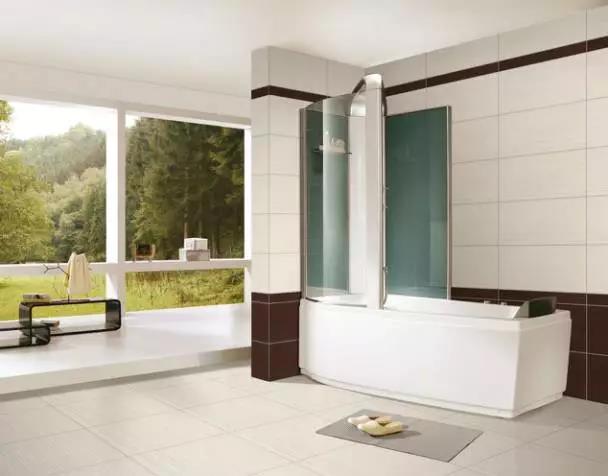
The seam can prevent the tiles from hollowing, deforming, cracking, jumping and even falling off;
second
Seam paving can also save material;
third
All tiles have errors, and brick seams can reduce the negative impact of errors;
fourth
Appropriately left seams can enrich the paving effect;
fifth
Avoid fine seams which are more difficult to clean;
sixth
Reduce the uneven seam caused by construction errors;
seventh
It is easier to maintain and replace in the future.
What should I pay attention to when leaving seams?

How big does the gap need to be?
Generally, the seam of seamless brick should be 1-1.5mm, but not less than 1mm. And ordinary tiles, roughly between 3-5mm. In addition, the best standard that should be adopted during construction is also determined according to practical factors such as the type of brick and tile, the size of the size, and the overall area of the paving.
to widen
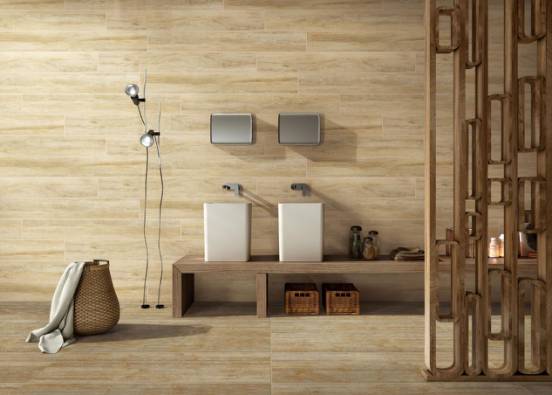
For tile laying that pursues special effects, the tile gap can also be widened. For example, antique bricks and exterior wall bricks with special effects should be left with wide seams. In addition, if the tiles are laid in winter, pay attention to the gaps to be slightly enlarged to prevent thermal expansion and contraction, and the caulking will squeeze each other.
Cross seam paving is more beautiful
When consumers buy, they should ask the seller for the special cross locator (width of 1mm, 2mm, 3mm, 5mm, etc.) to ensure that the tile joints are straight and uniform in size.
The color of the beautifying agent is rich, and the anti-fouling effect is also greatly improved
The caulking material has been continuously improved and the colors are more diverse, which can basically meet the color matching needs of ceramic tiles. Secondly, the antifouling performance has also been greatly improved, and products such as caulking agent, beauty seam agent, and beauty seam glue are no longer prone to problems such as easy dirt, yellowing, and mildew.
After leaving the seam, how to fill the tile?
tile surface cleaning
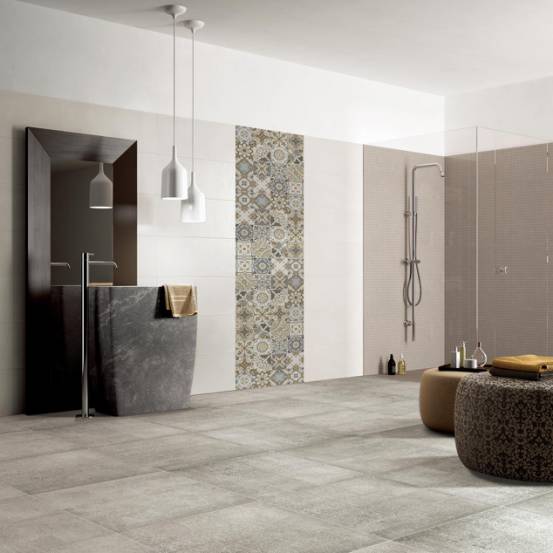
Before caulking, it is necessary to remove excess cement and dust and other debris in the tile joints, so as to avoid excess cement and dust mixed into the caulking agent during caulking, which will affect the aesthetics of the caulking; if the caulking encounters hot weather , but also to wet the surface of the brick joints to avoid too dry.
Caulking agent
Mix the caulking agent with clean water at a certain ratio of 1:1 and use it. Never directly scrape the dry powder into the seam, so as to avoid the hard particles that may be pure in the caulking agent from scratching the tiles.

Detailed caulking
Scraping and smearing the caulking agent should be firmly scraped into the joint with a rubber spatula to avoid the hard particles that may exist in the caulking agent from scratching the tiles. , so that the caulk is not easy to clean after drying.
Cleaning after caulking
After the caulking agent has coagulated, use a sponge to clean the surface of the tiles, and normal glazed tiles can be cleaned with water; if the water absorption of the tile surface is too high, the caulking agent penetrates into the tiles, and needs to be cleaned with a special tile cleaning agent.
Finally, it is suggested that seams should be left for tile paving, which can save a lot of trouble in the later stage.