Sintered stone is a revolutionary material that is becoming increasingly popular in a variety of applications due to its unique properties and benefits. This article aims to provide industry professionals and decision makers with a comprehensive guide to Sintered stone and its composition, manufacturing process and benefits.
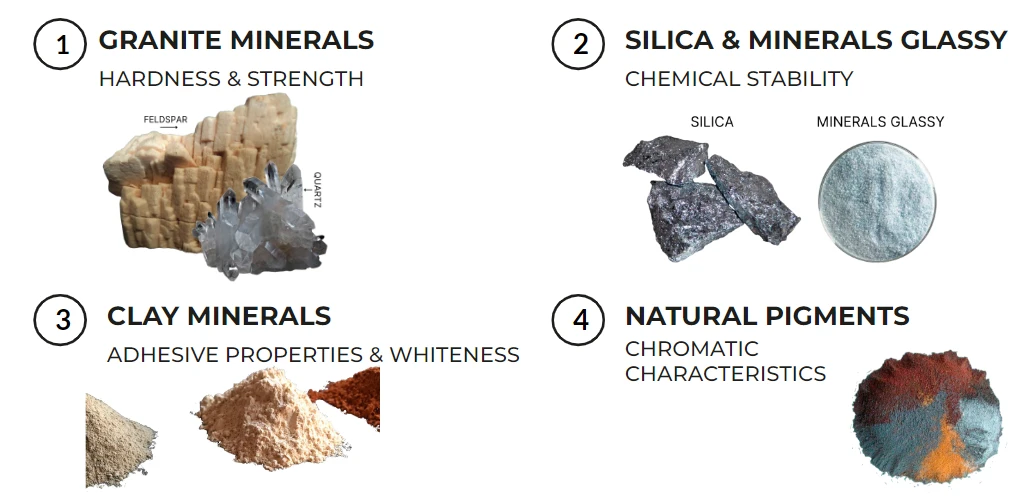
Composition of Sintered stone Sintered stone is an extraordinary material composed of natural elements. It is made from a blend of raw materials, including natural stone particles, which are processed at high temperatures and pressures to create a dense and durable surface. This process mimics the natural formation of stone over thousands of years, but in a controlled industrial environment.
The natural components of Sintered stone not only add to its aesthetic appeal, but also provide environmental benefits. As a material derived from nature, it complies with sustainable sourcing practices and is an excellent choice for environmentally friendly businesses. For more information on sustainable sourcing of Sintered stone, visit our Sintered Stone Sourcing and Shipping page.
The manufacturing process of Sintered stone The manufacturing process of Sintered stone is a wonderful blend of nature and technology. It involves the application of heat and pressure during the sintering process. This process transforms the raw material into a dense surface that is resistant to scratches, stains and high temperatures.
One of the key aspects of the sintering process is its energy efficiency. The process is designed to minimize energy consumption, making it a sustainable option for companies looking to reduce their environmental impact. To learn more about the energy efficiency of the Sintered stone process, check out our Sintered stone energy efficiency page.
Sintered stone porcelain slab is known for its versatility and durability Sintered stone porcelain slab is known for its versatility and durability. It can be used for everything from countertops and floors to wall coverings and furniture. It is heat, scratch and stain resistant, making it a practical choice for residential and commercial settings.
The design possibilities for Sintered stone porcelain slab are virtually limitless. It comes in a variety of colors, patterns and finishes, allowing designers to create unique and customized spaces. Sintered stone vs. natural stone: a sustainability perspective Sintered stone stands out for its superior sustainability compared to natural stone. While natural stone requires extensive quarrying and processing, Sintered stone is manufactured in a controlled environment, reducing its environmental impact.
In addition, the durability and long life of Sintered stone means that it does not need to be replaced as often as other materials, which contributes to its sustainability.
Choosing the right material for your next table can be a daunting task. Both sintered stone and natural stone offer unique advantages and disadvantages. Consider this comparison to make an informed decision:
Property
Sintered Stone
Natural Stone (e.g., Marble, Granite)
Durability
Highly scratch-resistant, heat-resistant, and impervious to most chemicals
Can scratch, chip, and etch with significant force or acidic substances
Versatility
Wide range of patterns, colors, and textures available, including mimicking natural stone
Limited pattern and color options, with each piece being unique
Maintenance
Non-porous and stain-resistant; easy to clean with soap and water
Requires regular sealing to prevent stains and etching; maintenance varies depending on type
Heat Resistance
Exceptional, can withstand hot pots and dishes without damage
Can crack or discolor with extreme heat exposure
Cost
Generally more expensive than natural stone, but lower maintenance costs can offset the initial price
Price varies greatly depending on type and rarity; some natural stones can be more expensive than sintered stone
Uniqueness
More uniform in appearance, but can still offer some variation
Each piece is unique with natural veining and imperfections, adding character
Ultimately, the best choice for your table depends on your individual needs and preferences. Consider
Environmental benefits of Sintered stone Sintered stone is not only a durable and versatile material, but also an environmentally friendly option. The manufacturing process for Sintered stone is designed to minimize waste and energy consumption, thus contributing to its sustainability.
A key environmental benefit of Sintered stone is its Life Cycle Assessment. This assessment considers all stages of a product's life cycle, from raw material extraction to end-of-life disposal, to fully understand its environmental impact. Sintered stone performs well in this assessment due to its long service life and recycling potential.
Another important consideration is the end-of-life stage. Sintered stone is designed to be robust and durable, reducing the need for frequent replacement. In addition, it can be recycled at the end of its useful life, thus further reducing its environmental impact.
One example is the use of Sintered stone in modern residential projects. The architects chose Sintered stone because of its durability, beauty, and environmental friendliness. In the end, they built a stunning, sustainable home that will stand the test of time.
The future of Sintered stone
The future of Sintered stone is bright. Demand for this material is expected to grow as more architects, designers and consumers realize its advantages.
One area of potential growth is the development of new technologies and methods for the production and application of Sintered stone. This may include advances in the sintering process, the development of new designs and finishes, and the exploration of new applications for this versatile material.
Conclusion Sintered stone porcelain slabs are an outstanding material with a unique combination of durability, versatility and sustainability. Whether you're an architect, designer or industry decision-maker, it's worth considering using Sintered stone in your next project. Not only can you choose a quality and durable material, but you can also make a sustainable choice and contribute to a greener future.
If you have any queries, get in touch today! Don't hesitate. We try to take the extra step for our customer satisfaction.
We will reply to your message within 24 hours
We use Cookie to improve your online experience. By continuing browsing this website, we assume you agree our use of Cookie.