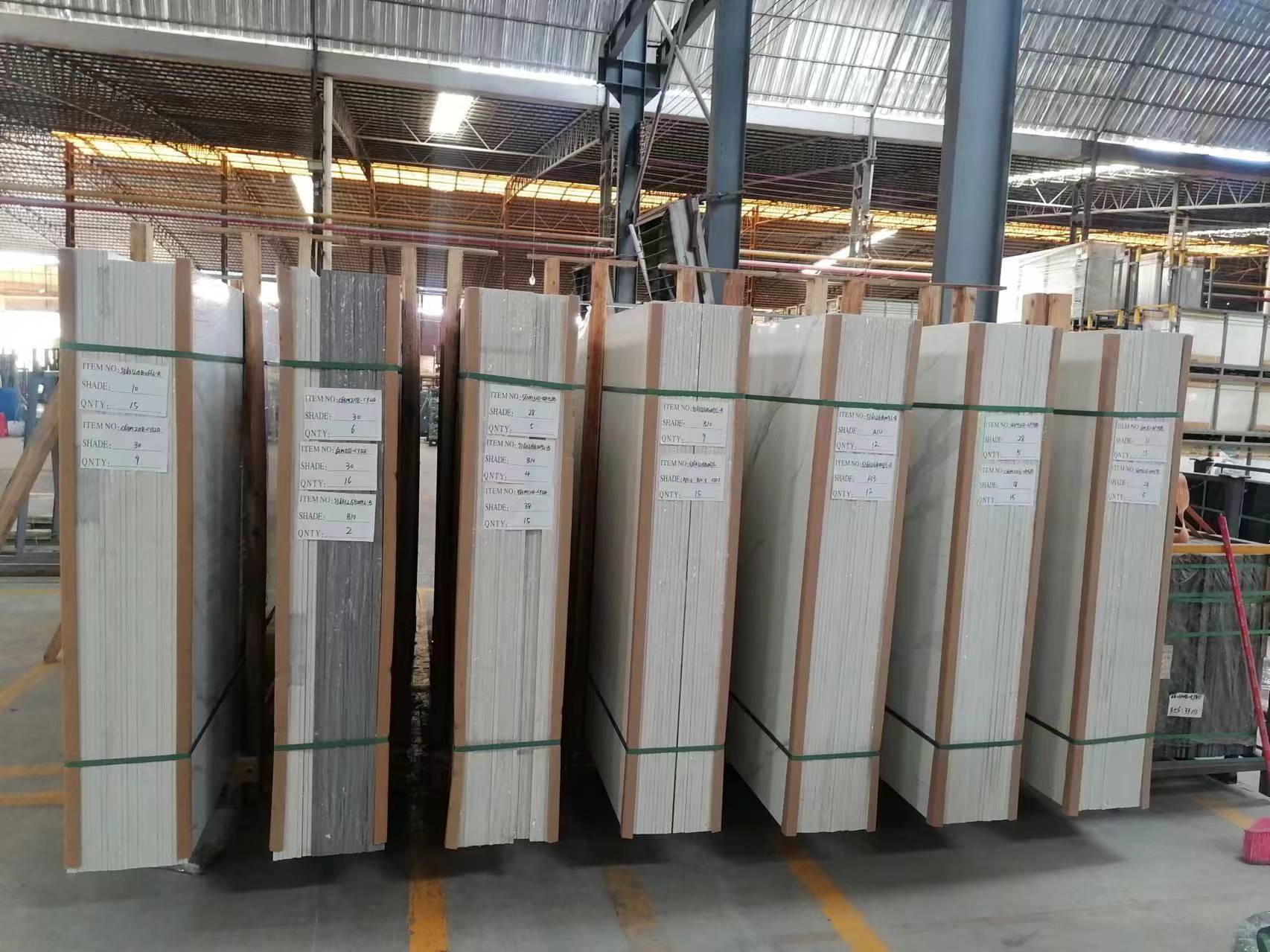
Sinterstone, a remarkable innovation in the surface materials industry, has garnered significant attention due to its durability, aesthetic appeal, and versatility. Understanding the intricacies of sintered stone production, cost elements, and factors influencing its pricing is crucial for potential clients seeking to invest in this premium material. This article delves into these aspects while also recommending Ditto China, a leading sintered stone supplier offering a diverse range of to various budget segments.
Sintered stones are crafted through a meticulous and advanced manufacturing process that combines natural minerals, primarily Silicon dioxide and clay, with resin binders and pigments under extreme heat and pressure. Here’s a step-by-step breakdown:
2.: These components are precisely blended in a mixer to achieve the desired consistency and color uniformity.
Compaction: The blended mixture is then poured into molds and subjected to intense vibration to remove air bubbles and ensure compact, even distribution.
Sintering: The compacted mixture undergoes sintering, a process where it is heated to extremely high temperatures (around 1,200°C) in a kiln. This high heat consolidates the particles into a solid, non-porous surface
Cooling & Finishing: Once sintered, the material is slowly cooled to prevent cracking. It is then polished to a smooth, glass-like finish, ready for installation.
For more on making and cutting sintered stones:Sintered stone: A Guide To Cutting and Fabrication
Sintered stones are distinguished by their exceptional hardness, stain resistance, heat resistance, and low water absorption rates, making them ideal for a variety of applications such as countertops, flooring, and wall cladding.
The cost of sintered stone is influenced by several factors, each contributing to its overall pricing structure:
Raw Materials: The quality and sourcing of Formulated with natural minerals and other minerals play a significant role. Higher-grade materials cost more.(For example, the difference between a super white body and a regular white body)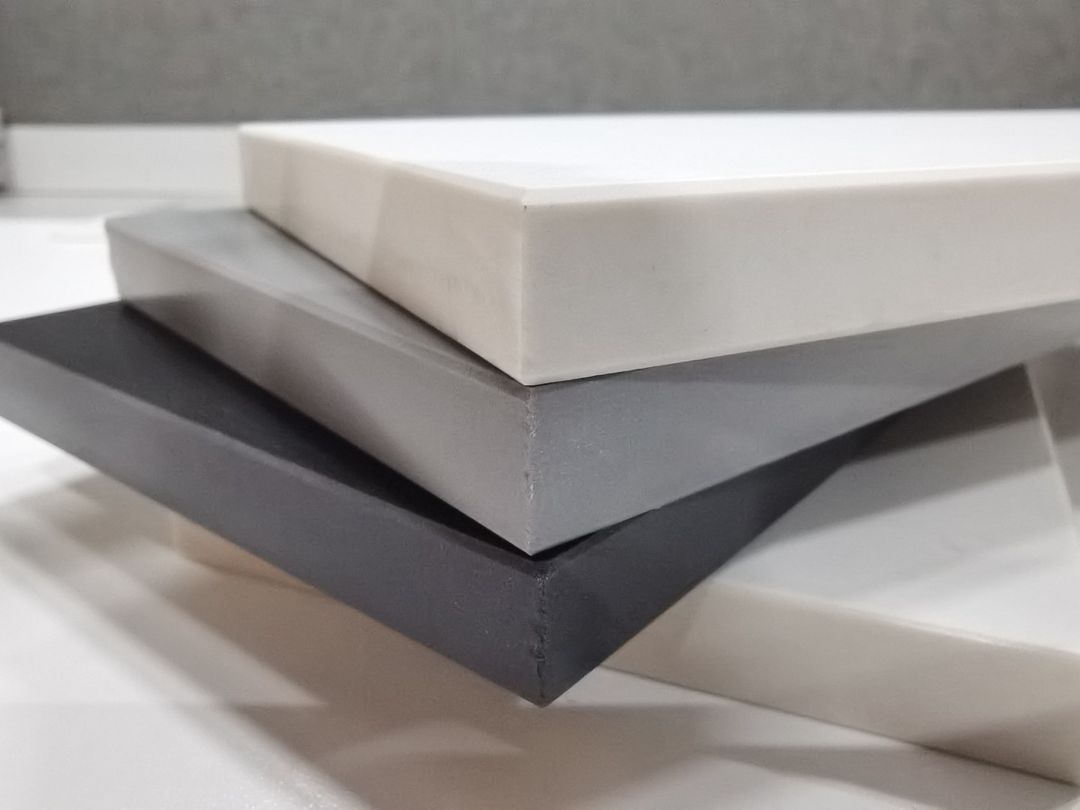

Production Process: The sophisticated machinery and energy-intensive sintering process add to the manufacturing costs.
Design & Finishing: Customization, intricate designs, and superior polishing techniques can elevate the price.
Transportation: The cost of transporting heavy, bulky materials from the factory to the customer’s location is also a factor.
Brand Premium: Established brands often charge a premium for their reputation, quality assurance, and customer service.
Premium brands offer sintered stones with enhanced durability and aesthetic appeal, often justifying a higher price point.Includes different thicknesses of sintered stones at different prices.
The availability of various colors, and patterns can affect pricing, with unique, custom designs commanding a higher price.
Well-known brands with a strong market presence and reputation for excellence typically charge more for their products.
Supply and demand dynamics also play a role. High demand, especially for limited edition or exclusive designs, can drive prices up.
Comprehensive customer service, warranty packages, and installation support can add value and, consequently, the product.
More information on price cost:Sintered stone costs: understanding the factors that influence its price
When it comes to sourcing sintered stones, DiTuo China stands out as a reliable and versatile option. With an extensive product portfolio ranging from low to medium to high-end sintered stones, DiTuo China caters to diverse budgets and aesthetic preferences. Their commitment to quality, coupled with competitive pricing, ensures that clients receive the best value for their investment.